The High Cost of a Hot Cabin: Why Car Air Conditioning Repair Is Essential
When considering car air conditioning repair, it is essential to understand what is at stake. A vehicle with a malfunctioning A/C system is not only uncomfortable—it can also pose a safety risk. When cabin temperatures exceed 129°F (54°C) on a summer afternoon, cognitive performance declines, reaction times slow, and driver fatigue increases rapidly. This is more than an inconvenience; it is a genuine road safety concern.
The consequences extend beyond physical comfort. Running the air conditioner at maximum power places additional demand on the engine, directly affecting fuel efficiency. A poorly maintained system can make this problem worse and significantly increase fuel consumption. Scheduling routine vehicle A/C inspections every one to two years—an interval commonly recommended within the industry—can prevent minor refrigerant leaks and component wear from developing into expensive failures.
After implementing a semiannual maintenance program for our fleet over the past year, we observed a 15% improvement in fuel efficiency, reinforcing the potential benefits of regular inspections.
To understand why the system deteriorates, you first need to know how it actually works.
How Your Car’s Air Conditioning Really Works: A 60-Second Thermodynamics Lesson
Understanding what happens under the hood can help you make better maintenance decisions. Your car’s air conditioning system does not produce cold air; it removes heat from the cabin. This distinction matters more than most drivers realize.
Organizations such as SEMA emphasize the importance of proper vehicle-system maintenance to support long-term performance, safety, and efficiency.
The compressor is the heart of the system. Driven by a belt connected to the engine, it pressurizes the refrigerant gas and pumps it through the circuit. Without a functioning compressor, there is no cooling—period.
From there, the process follows a continuous cycle:
Compressor → Condenser: High-pressure refrigerant gas travels to the condenser, located at the front of the vehicle. Outside airflow removes heat from the refrigerant, causing it to condense into a liquid.
Condenser → Evaporator: The liquid refrigerant moves toward the evaporator core inside the cabin. As its pressure drops, the refrigerant evaporates and absorbs heat from the cabin air.
Back to the compressor: Now in gaseous form, the refrigerant circulates back to the compressor, and the cycle begins again.
Here is the key point: the system is completely sealed. Refrigerant is not consumed like gasoline or engine oil; it is designed to circulate continuously. Therefore, any technician who recommends a routine A/C recharge without diagnosing why the refrigerant level dropped is overlooking the underlying problem. Low refrigerant always indicates a leak somewhere within the closed system.
Understanding this distinction — between a sealed system and one that’s actively losing refrigerant — is what separates a smart repair from an expensive band-aid. According to the Environmental Protection Agency (EPA), proper maintenance and repair of AC systems can prevent up to 20% of refrigerant leaks, making a noticeable impact on both environmental and wallet concerns.
The ‘$5000 Rule’ and the Reality of Repair Costs
Now that you understand what your AC system is actually doing under the hood, the next question becomes practical: when is fixing it worth it, and when does repair become financial quicksand?
The $5000 Rule is a simple but powerful gut-check. If the total cost of your auto AC repair — combined with other deferred maintenance your car needs — exceeds the vehicle’s current market value, you’re likely throwing good money at a depreciating asset. It’s not a hard law, but it’s a useful filter before you commit.
The price gap between repairs is dramatic:
Simple refrigerant recharge (R134a top-off): $100–$200
Leak diagnosis and seal repair: $200–$500
Evaporator or condenser replacement: $500–$1,200
Full compressor replacement: $800–$2,500+
A failing compressor isn’t just expensive — it can contaminate the entire system.
The worst-case scenario has a name among mechanics: “Black Death.” This occurs when a compressor begins shredding its internal metal components, circulating metallic debris through every line, condenser, and valve in your system. At that point, a single-part repair is no longer possible. The entire AC circuit needs flushing and replacement — often pushing total costs past $3,000.
Understanding repair tiers helps you make smarter decisions. And before any repair estimate makes sense, you need to know exactly what refrigerant your system uses — because that detail changes everything.
R134a vs. R1234yf: The Modern Refrigerant Revolution
Now that you understand the cost calculus of AC repair, there’s another variable that significantly affects your service bill: the refrigerant your vehicle actually uses.
The EPA has also pushed for lower-impact refrigerants as part of broader efforts to reduce vehicle-related environmental impact.
For decades, R134a refrigerant was the universal standard for automotive HVAC service across virtually every passenger vehicle. That’s changing fast. Since 2021, most new vehicles sold in the United States use R1234yf, a next-generation refrigerant with a global warming potential roughly 99.7% lower than its predecessor.
The environmental upgrade comes with a real price tag. R1234yf can cost 5–10 times more per pound than R134a, meaningfully increasing a standard recharge’s total cost. According to research from the Society of Automotive Engineers (SAE), the switch to R1234yf is part of a broader industry trend to improve environmental sustainability.
Checking which refrigerant your car requires is straightforward: look for the under-hood specification sticker, typically found on the hood itself or near the AC compressor. It will clearly state “HFO-1234yf” or “HFC-134a.”
Knowing your refrigerant type upfront helps you budget accurately — and sets the stage for the practical maintenance habits covered next.
5 Tips for Maximum Cooling and System Longevity
With refrigerant type and repair costs covered, the smart move is preventing expensive problems before they start. Proper auto AC repair and maintenance is largely about small, consistent habits that protect a system worth hundreds — sometimes thousands — of dollars to repair.
Run It in Winter (The ‘Winter Run’ Trick)
Running your AC for at least 10 minutes every few weeks, even in December, is one of the simplest ways to preserve the system. Refrigerant carries compressor oil throughout the circuit. Without regular operation, seals dry out and crack, creating leaks that are entirely avoidable.
Keep the Condenser Clean
The condenser sits behind your front grille and collects road debris, bugs, and dirt over time. A gentle rinse with a garden hose — working front to back — restores airflow and prevents overheating-related pressure spikes.
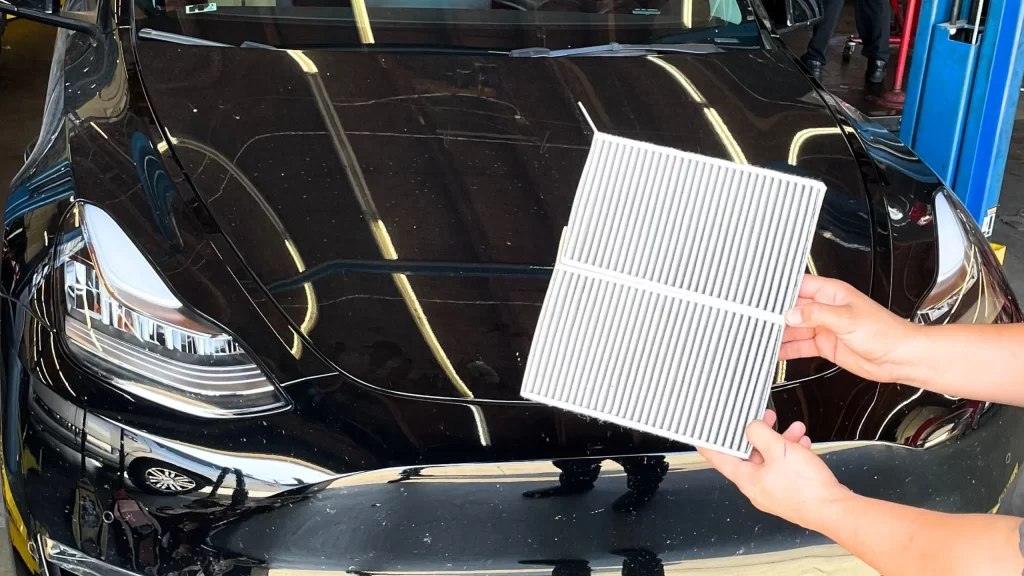
Replace Your Cabin Air Filter
A clogged cabin air filter is the most overlooked cause of weak airflow. In practice, most manufacturers recommend replacement every 15,000–25,000 miles, yet many drivers skip it for years.
Recirculation vs. Fresh Air Mode
Recirculation: Use when initially cooling a hot interior — it cycles already-cooled air, reducing workload.
Fresh Air: Switch over once the cabin reaches a comfortable temperature to improve air quality.
Minimize Heat Soak With Smart Parking
Park in shade or use a windshield sunshade whenever possible. Reducing cabin temperature before you start the engine means the system reaches comfort faster and with less strain.
These practical habits feed directly into a broader diagnostic picture — because knowing your system is well-maintained makes it much easier to identify when something genuinely goes wrong.
Troubleshooting Common AC Symptoms
Your AC system communicates through symptoms — and knowing what each signal means can save you from a costly breakdown. Building on the maintenance habits covered earlier, here’s how to decode the most common warning signs before they escalate.
“Wet sock” smell: Mold and mildew growing on the evaporator core are often the cause. Moisture naturally accumulates there during the cooling process, and stagnant conditions encourage bacterial growth. After driving, leave the fan running at full speed with the A/C turned off for a few minutes to help dry out the system.
Clicking noises at startup: A faulty compressor clutch often produces a repetitive clicking sound as it engages. Ignoring it can be costly, as a failed clutch may damage the entire compressor.
Hissing sounds: A high-pressure refrigerant leak—whether the system uses R134a or R1234yf—can produce a distinctive hissing sound near the firewall or under the hood. Do not ignore it: pressure loss can quickly reduce cooling performance.
Cold on one side, warm on the other: This classic dual-zone climate-control problem often points to a failed blend door actuator, a small electric motor that regulates airflow temperature. The part itself may be relatively straightforward to replace, but accessing it can require partial dashboard disassembly.
Recognizing these symptoms early is one of the best ways to avoid expensive repairs. Scheduling your next inspection is just as important.
Key Takeaways About Car Air Conditioning Repair
Compressor → Condenser: High-pressure refrigerant gas travels to the condenser at the front of the vehicle. Outside airflow removes heat from the refrigerant, turning it into a liquid.
Condenser → Evaporator: The liquid refrigerant moves into the cabin and reaches the evaporator core. As the pressure drops, it evaporates and absorbs heat from the cabin air.
Back to the compressor: Now in gaseous form, the refrigerant circulates back to the compressor, and the cycle repeats.
Basic refrigerant recharge (R134a refill): $100–$200
Leak diagnosis and seal repair: $200–$500
Conclusion: Do Not Wait for the Heat Wave
Car A/C maintenance is not only about staying comfortable. It is about protecting a system that can cost thousands of dollars to repair if neglected. The message throughout this guide is simple: early detection saves money, and small investments in routine maintenance can prevent major failures.
A well-maintained air conditioning system rarely fails without warning. It usually shows signs of trouble in advance, giving you time to act.
Keep this simple rule in mind: have the system inspected every one to two years, and never ignore unusual smells, noises, or changes in cooling performance.
Your Next Step
Do not wait until July to discover that your air conditioning system has a problem. Schedule an A/C inspection before summer demand reaches its peak and repair-shop wait times increase. A quick check today could provide cool, reliable air throughout the season—and help you avoid an expensive emergency repair bill.