What Are Brakes and Why Are They Critical for Vehicle Safety?
Your vehicle’s ability to stop safely depends on a highly engineered brake system designed to manage hydraulic pressure, friction material, and heat dissipation under real-world driving habits.
Far from being a simple component, car brakes are a core vehicle safety system that directly affects control, stopping distances, and driver confidence in both urban and highway conditions.
While automotive innovation often highlights connectivity or powertrain performance, brake system operation remains fundamental. From brake pads and brake discs to hydraulic brake fluid and electronic sensors, every component must work in precise coordination.
Understanding how brakes work, identifying early signs of brake wear, and applying proper brake system maintenance are essential not only for daily drivers, but also for fleets, technicians, and decision-makers responsible for vehicle reliability.
In professional environments such as auto shops, fleet operations, and brake repair shops this knowledge supports accurate diagnosis, informed brake replacement decisions, and preventive maintenance strategies aligned with industry best practices referenced by organizations like SAE International and SEMA.
The Role of Brakes in Vehicle Control and Road Safety
Effective braking depends on the interaction between hydraulic components, friction surfaces, and electronic sensors. When the brake pedal is applied, the brake booster amplifies input force, allowing the brake master cylinder to distribute hydraulic brake fluid through brake fluid hoses to the disc brake assembly or drum brake assembly.
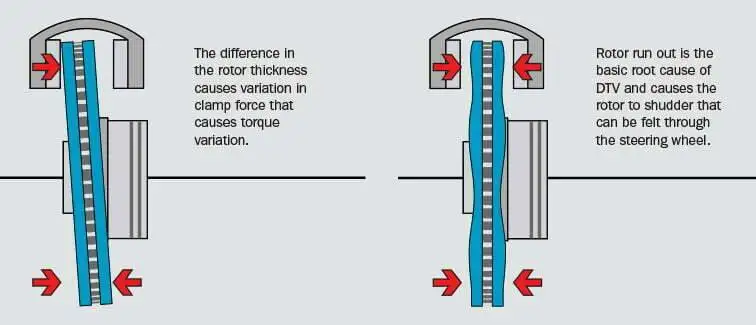
In real-world conditions, failures such as brake fluid leaks, degraded caliper seals, or uneven brake wear may lead to brake noise, vibrations when braking, or a vibration in the steering wheel. These symptoms are often early indicators that brake repair or further brake fluid checks are required before safety is compromised.
From a professional standpoint—whether in fleet maintenance or a certified auto shop—understanding how braking systems behave under load, heat, and repeated use is critical to preventing brake fade and maintaining predictable stopping performance.
Why Understanding Braking Systems Matters for Drivers and Fleets
Understanding brake system operation helps drivers and fleet managers detect early signs of brake wear and prevent avoidable brake issues. Changes such as a soft pedal, brake warning light activation, or unusual brake noise often indicate hydraulic pressure loss or friction material degradation that should be addressed promptly.
For professional users, this knowledge supports better decisions around brake pad replacement, brake fluid checks, and scheduled inspections, reducing unplanned downtime and safety risks.
Practical Impact on Maintenance and Decision-Making
In workshop environments, recognizing symptoms like squealing noises, longer stopping distances, or vibrations when braking allows for faster diagnosis and targeted brake repair. These indicators may point to worn brake pads, uneven brake discs, or issues within brake hoses and hydraulic components.
Applying maintenance tips based on real operating conditions—load, mileage, and driving habits—improves vehicle safety and extends component life, aligning with preventive practices recommended by SAE International and the broader automotive service industry.
Main Components of a Braking System
Brake Pads, Shoes, Rotors, and Drums
The main friction elements are brake pads and brake shoes.
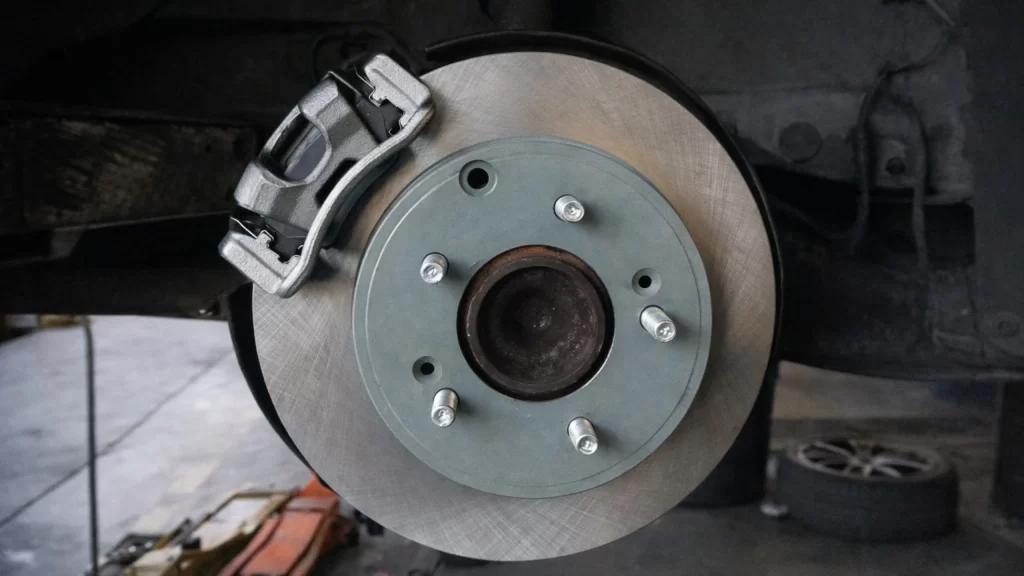
In disc brakes, pads press against the brake disc to slow the wheel. In drum brakes, shoes expand outward inside the drum brake assembly.
Key considerations in real-world use include:
- Friction material type and heat resistance
- Progressive brake wear under different driving habits
- Noise or vibration caused by uneven brake lining contact
Both systems require regular inspection to determine when brake replacement is necessary.

Brake Calipers and the Hydraulic System
Brake force is transmitted through a hydraulic pressure system. When the pedal is pressed, the brake master cylinder sends hydraulic brake fluid through brake lines and hoses to the caliper-type disc brakes or wheel cylinder in drum systems.
Critical components to monitor include:
- Brake calipers and caliper seals
- Brake fluid hoses and brake lines and hoses
- Brake booster efficiency and pedal response
Leaks, air in the system, or degraded hydraulic fluid can reduce braking efficiency and increase stopping distances, making timely brake fluid checks essential.
Types of Braking Systems Used in Modern Vehicles
Disc and Drum Brakes Explained
Modern vehicles typically employ a combination of disc and drum brakes, or solely disc brakes. Disc brakes, featuring brake pads clamping onto a rotor, are generally favored for their superior performance, better heat dissipation, and easier maintenance.
They are commonly found on the front wheels, which handle a larger portion of braking force. Drum brakes, where shoes press outward against the inner surface of a drum, are often used on the rear wheels of less performance-oriented vehicles due to their cost-effectiveness.
Anti-lock Braking Systems (ABS)
ABS uses electronic sensors to prevent wheel lock-up during hard braking. By modulating hydraulic pressure, the system helps maintain steering control and reduces the risk of skidding.
In professional diagnostics, ABS faults may relate to sensors, hydraulic components, or brake fluid issues, and should be evaluated using state-of-the-art equipment in a qualified brake repair shop..
How Brakes Work Together with Tires
Friction, Traction, and Stopping Distance
When brakes are applied, friction slows the brake disc or drum, while tires transfer that force to the road. Limited traction increases longer stopping distances and may trigger ABS intervention more frequently.
Common contributing factors include:
- Worn tires or uneven tread
- Excessive brake wear
- Heat buildup leading to brake fade
Why Tire Condition Directly Affects Brake Performance
Tire condition directly influences braking consistency. Reduced grip can cause vibrations when braking or a vibration in the steering wheel, often misdiagnosed as brake issues.
In fleet inspections, evaluating tires alongside brake system maintenance ensures balanced performance and improved vehicle safety under real operating conditions.
Brake Safety Standards and Regulations in the United States
FMVSS and Federal Brake Safety Requirements
The Federal Motor Vehicle Safety Standards (FMVSS) regulate braking performance, including stopping distances, hydraulic system integrity, and brake wear tolerance. These standards apply to both disc brake assembly and drum brake assembly configurations.
Compliance helps reduce brake failure risks caused by hydraulic pressure loss, brake fluid leaks, or component fatigue.
The Role of NHTSA, SAE International, and SEMA
Several organizations support brake system safety and technical development:
- NHTSA oversees enforcement and defect investigations
- SAE International publishes engineering standards for brake systems
- SEMA represents aftermarket manufacturers and promotes compliant brake kits and performance brake systems
Together, they establish a technical framework used by manufacturers, auto shops, and brake repair shops.
Why Understanding Brakes Matters for Businesses and Fleets
Preventive Maintenance and Safety Compliance
Routine inspections help identify early signs of brake wear, hydraulic fluid degradation, or brake fluid leaks. Addressing these findings through timely brake repair reduces the risk of brake failure and supports regulatory compliance.
Key preventive actions include:
- Scheduled brake fluid checks
- Inspection of brake hoses and brake lines and hoses
- Monitoring brake warning light alerts
Operational Efficiency, Risk Reduction, and Vehicle Reliability
Proactive brake maintenance directly contributes to operational efficiency by minimizing unexpected downtime. It significantly reduces the risk of accidents, protecting drivers, the public, and the company’s reputation.
Reliable brakes enhance vehicle reliability, ensuring that fleets can operate consistently and meet delivery schedules. Investing in proper brake service and maintenance is a cost-effective strategy that safeguards assets, reduces liability, and ensures the long-term success of any business reliant on vehicular transport.
Additional Factors That Influence Brake Performance
Brake performance varies depending on driving conditions, vehicle load, and system balance. Components such as brake rotors, brake shoes, and ceramic brake pads require stable brake pressure to operate correctly.
In auto brake repair, technicians often evaluate the suspension system alongside brakes. Worn control arms can affect wheel alignment and contribute to uneven wear on brake rotors or inconsistent braking response.
Addressing these factors together improves braking consistency, reduces noise, and supports long-term system reliability.
Conclusion
The braking system is a paramount safety feature in any vehicle, underpinning driver control and the collective safety of our roadways. From the friction generated by brake pads and rotors to the hydraulic force transmitted by brake fluid, every component plays a critical role.
Understanding these brake components, recognizing common issues like squeaking or vibrations, and committing to consistent brake inspection and maintenance are not optional extras but essential responsibilities. By embracing a proactive approach to brake service, you not only ensure your vehicle’s optimal performance but also contribute to a safer driving environment for everyone. Don’t wait for a warning sign; prioritize your braking system today.