Choosing the right tires isn’t just about finding the correct size or a familiar brand. The tires you choose can affect your vehicle’s grip, comfort, handling, and long-term driving costs. The best option depends on your vehicle, daily routes, local weather, load requirements, and driving priorities.
This simple guide explains how to choose the right tires for your car, SUV, or truck—from reading the size to comparing tire types and checking wheel compatibility. If you are also planning to replace or upgrade your wheels, explore our complete guide to choosing and matching the right wheels.
Ready to find the right match? Keep reading, or contact Comtires for help comparing compatible tire options for your vehicle and budget.
Start With the Correct Tire Size
Knowing how to choose the right tires for your vehicle starts with one non-negotiable step: confirming the exact size your manufacturer specifies — not guessing, not copying a neighbor’s setup.
The most reliable source is the driver’s door jamb label. Open your driver’s side door and look for a sticker on the door frame or door edge. It lists the original equipment tire size, recommended tire pressure, and load rating. Your owner’s manual contains the same information, often provides additional context, and approved alternate sizes for different trim levels.
Reading the tire size code is simpler than it looks. A size like 225/65 R17 breaks down as follows: 225 is the tire width in millimeters, 65 is the aspect ratio (sidewall height as a percentage of width), and 17 is the wheel diameter in inches. Alongside that code, you will find a load index and speed rating — two figures that define how much weight the tire can carry and the maximum sustained speed it is designed to handle. Never install a tire with a lower load index or speed rating than your vehicle requires. Tire pressure is another figure on that door label. It tells you the correct cold inflation pressure in PSI — and it is not the maximum pressure printed on the tire sidewall, which is a different number entirely.
One common mistake is treating the current tires as the reference. Previous owners may have installed incorrect sizes, and an incorrect size can affect speedometer accuracy, fuel economy, and handling.
Once you have the correct size locked in, the next decision is equally important: which tire type fits your driving conditions best.
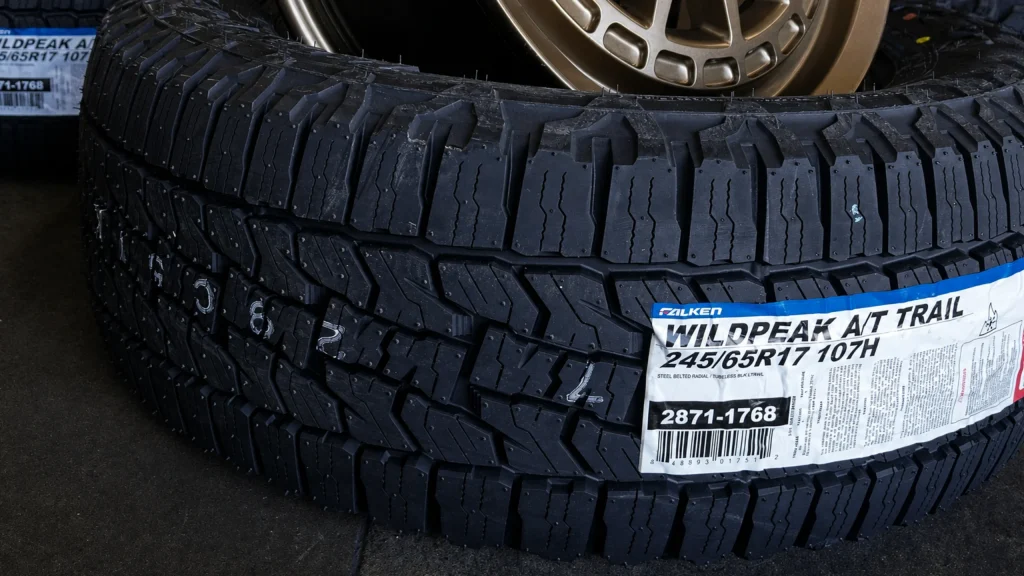
Choose the Right Type of Tire
Tire categories exist for a reason — each one is engineered around a specific set of road conditions, temperatures, and performance demands, and picking the wrong type can cost you grip, comfort, and tread life.
All-season tires are the default choice for most drivers. They handle dry roads, light rain, and occasional light snow reasonably well, making them a practical fit for everyday commutes and moderate climates. The tradeoff is that they are a compromise — they do not excel in any single condition the way a specialized tire does.
Summer and performance tires use a softer rubber compound and an aggressive tread pattern designed to maximize grip in warm, dry, and wet conditions. But that softer compound degrades quickly in cold weather, making summer tires a poor choice below roughly 45°F. Winter tires, by contrast, are built from a cold-weather rubber compound that stays pliable in freezing temperatures, biting into snow and ice with sipe-dense tread blocks. According to Consumer Reports, dedicated winter tires can reduce stopping distances on snow by 25 to 35 percent compared to all-season alternatives.
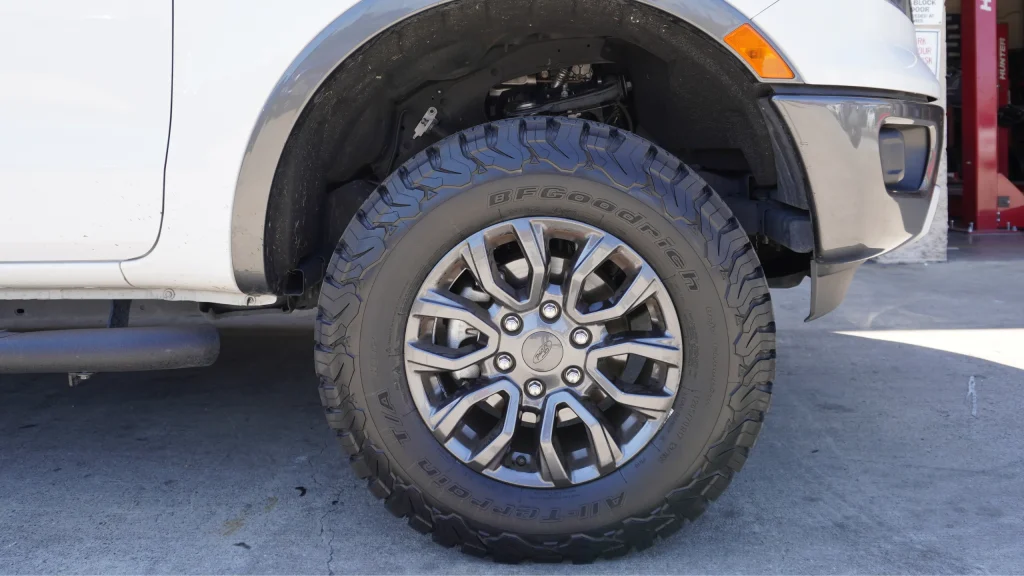
Highway tires prioritize long tread life, a quiet ride, and fuel efficiency — a strong fit for sedan and crossover drivers who log heavy highway miles. All-terrain tires split the difference for truck and SUV owners who move between pavement and unpaved roads regularly, though they tend to be noisier on the highway.
Knowing when to replace car tires also shapes which category makes sense for you — a worn all-season tire may signal an opportunity to upgrade to a more condition-specific option rather than simply replacing like for like. With the right category identified, the next step is matching that choice to exactly how and where you drive.
Match Your Tires to How You Drive
Your driving habits are the single most reliable filter for narrowing down tire options — more so than brand reputation or price point alone.
The tire that fits your actual life will always outperform the tire that looks best on paper. Before you cross-reference specs or decode how to read tire sidewall numbers, step back and honestly assess how and where you drive most often. That context shapes every decision that follows.
Daily commuters and city drivers tend to benefit most from touring or all-season tires. Stop-and-go traffic demands consistent grip, responsive steering, and lower road noise — qualities that performance-focused tires do not always prioritize. On the other hand, drivers who spend the majority of their time on highways and interstates should look for tires engineered for stability at sustained speeds, with tread patterns designed to reduce fatigue and heat buildup over long distances.
Wet-weather driving introduces a separate set of requirements. Frequent rain and slick roads call for tires with aggressive siping and wide circumferential grooves that channel water away from the contact patch. Tire Rack’s tire decision guide notes that wet traction ratings can vary significantly across tire categories, so this deserves serious attention.
SUV, truck, and heavy-load owners face additional considerations. Heavier vehicles place greater stress on tires, and towing or hauling adds load index requirements that standard passenger tires cannot safely meet. Always confirm the load rating matches your vehicle’s gross vehicle weight rating before purchasing. Comfort and durability, meanwhile, often move in opposite directions — softer compounds absorb road imperfections better but wear faster under heavy use.
With your driving profile understood, you are ready to evaluate what each tire actually delivers where it matters most — safety, performance, and long-term value.
Compare Safety, Performance, and Total Value
Understanding what to look for in new tires means moving beyond brand names and sticker prices to evaluate the characteristics that directly affect how your vehicle performs every single day.
Wet traction and braking distance are the most safety-critical metrics to compare. Tires with strong wet-weather performance use tread compounds and groove designs that channel water away from the contact patch, reducing the risk of hydroplaning, wet braking distances can vary dramatically between tire models in the same price range — a detail that raw price comparisons will never reveal.
Ride comfort and road noise tend to be inversely related to performance grip. Tires engineered for sporty handling typically use stiffer sidewalls and aggressive tread patterns that generate more cabin noise on highway stretches. If your commute runs mostly on smooth interstates, a touring-oriented tire often delivers a noticeably quieter, more comfortable ride without meaningfully sacrificing safety.
Tread life and warranty deserve equal attention. Manufacturers express expected durability through the UTQG (Uniform Tire Quality Grading) system, which assigns a treadwear number — higher numbers indicate longer projected life — alongside traction grades (AA through C) and temperature resistance ratings (A through C). US News Cars notes that comparing UTQG ratings alongside the manufacturer’s mileage warranty gives you a realistic picture of long-term value rather than just upfront cost.
Fuel efficiency is worth factoring in as well. Low rolling-resistance tires reduce the energy your engine expends moving the vehicle forward, which translates to modest but measurable improvements in miles per gallon over time — a consideration that compounds across the full life of the tire.
Once you have a clear read on these performance characteristics, the next step is ensuring that your preferred tire fits your vehicle’s wheels and wheel wells correctly.
Check Tire and Wheel Compatibility
Fitting the wrong tire to your wheel is not just an inconvenience — it can compromise safety, handling, and your vehicle’s core measurements in ways that are not always obvious at purchase.
Wheel diameter and width set hard limits on which tires will physically mount and seat correctly. A tire that is too narrow for its rim will not hold a stable bead, while one that is too wide risks contact with suspension components or the wheel well itself. Before considering any tire that differs from your original size, measure the available clearance inside the wheel well, since even modest changes to overall tire diameter can create rubbing under load or during full steering lock.
Load capacity is another area where fitment errors carry real consequences. Every tire carries a load index — a number that translates to a maximum weight rating per tire. Dropping below the rating your vehicle requires means the tires are working outside their design limits, which accelerates wear and increases blowout risk under heavy loads.
Size changes also affect your speedometer reading. As a general benchmark, most technicians follow the 3% rule for tires: a difference of more than 3% in overall tire diameter compared to the factory size will push your speedometer reading outside an acceptable margin of error. This can also interfere with stability control and ABS calibration, since those systems rely on wheel-speed sensors that assume a specific tire circumference.
When you are considering a size change — whether for aesthetics, off-road capability, or a wheel upgrade — professional fitment guidance is worth requesting. A qualified shop can cross-reference your vehicle’s specifications against fitment data to confirm diameter, offset, and clearance before anything is mounted. That step costs very little compared to the handling problems or sensor errors an incompatible setup can introduce — and it sets you up well to apply the structured pre-purchase checklist covered in the next section.
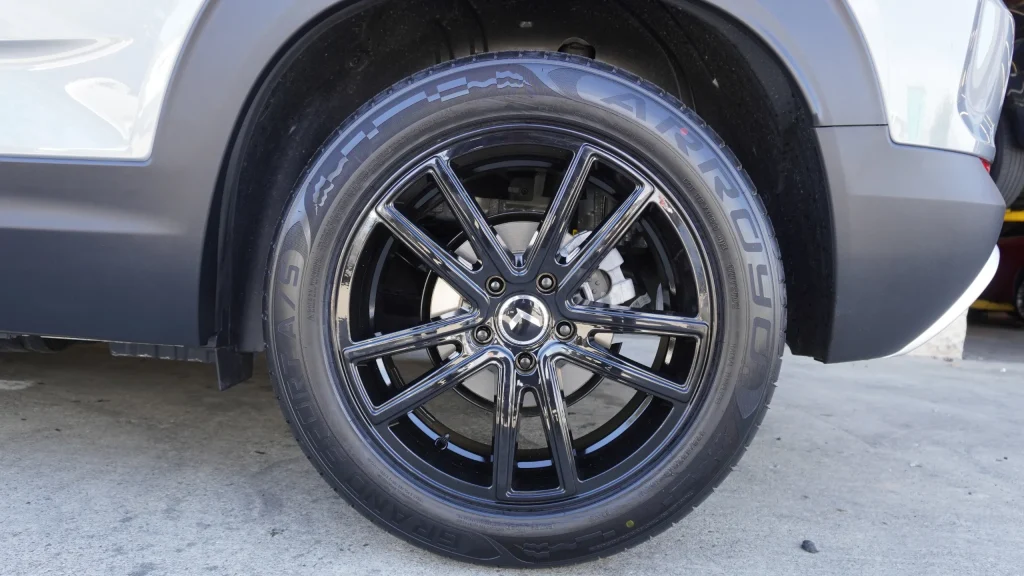
If you are also considering new wheels, explore our complete guide to choosing and matching the right wheels before changing your vehicle’s original setup.
Use This Checklist Before Buying New Tires
Every tire purchase deserves a structured review — and this tire decision guide gives you a clear, repeatable process before any money changes hands. Skipping even one of these steps can result in the wrong tire for your vehicle, your climate, or your budget. Following them in order keeps the decision grounded in facts rather than guesswork or sales pressure.
Use this checklist before finalizing any purchase:
Confirm the recommended tire size. Pull the size from your driver’s door jamb sticker or owner’s manual — not from the tire currently on the vehicle, which may already be incorrect.
Check the load index and speed rating. Both figures must meet or exceed the vehicle manufacturer’s minimums. Dropping below them is a safety and warranty risk.
Consider your normal weather and road conditions. Drivers in regions with heavy snowfall, frequent rain, or extreme heat need a tire type matched to those conditions — not just a general-purpose option.
Match the tire type to your driving habits. Highway commuters, weekend haulers, and performance drivers each have different tread and compound requirements.
Compare traction, comfort, tread life, and cost. Resources like the Tire Rack Tire Decision Guide and Les Schwab’s buying guide provide side-by-side data to simplify this comparison.
Verify tire and wheel compatibility. Confirm rim width, diameter, and load ratings align with the tire spec before ordering.
Check the condition of your other tires. Mismatched wear levels can affect handling. Replacing in pairs or full sets is often the safer choice.
Choosing tires is one of the most consequential maintenance decisions you will make as a driver. And the process does not have to be overwhelming — it simply requires working through the right questions in the right order. A few minutes with this checklist is all it takes to walk into any tire shop or online retailer with confidence.
Ready to compare your options? Shop for tires by vehicle or tire size and find choices compatible with your driving needs.