If you’ve ever noticed your car pulling to one side, felt your steering wheel sitting off-center, or watched your tires wear unevenly, a wheel alignment is likely the fix you need. This guide walks you through exactly what happens during a wheel alignment service — from the pre-inspection checklist to the final printout — so you know what to expect before you pull into the shop.
Whether you’re scheduling your first alignment or just want to understand what technicians are actually doing to your vehicle, knowing the process helps you make informed decisions, ask the right questions, and confirm the service was done correctly. We’ll cover the step-by-step procedure, the types of alignment available, what results you should notice afterward, and when alignment alone may not be enough to solve the problem.
What Is a Wheel Alignment?
A wheel alignment is the precise adjustment of your vehicle’s wheel angles not the tires themselves to match the manufacturer’s factory specifications. The alignment of wheels directly affects steering response, tire wear, safety, and even fuel mileage, as AAA explains. According to a 2026 industry report, vehicles with correct alignment can improve fuel efficiency by up to 10%, underscoring the importance of regular maintenance.
During a wheel alignment service, technicians measure and adjust three key angles: camber (the inward/outward tilt of the wheel), caster (the steering axis angle), and toe (whether tires point inward or outward). The goal is straight tracking, stable steering, and even tire wear across all four wheels.
Knowing when your vehicle needs this adjustment is just as important as understanding what it is and there are several clear warning signs to watch for.
When Do You Need a Wheel Alignment?
Your car communicates alignment problems clearly — you just need to know what signals to watch for.
The most common red flags that indicate your alignment of wheels is off include pulling to one side, an off-center steering wheel, and uneven tire wear. According to industry analysts at Gartner, these symptoms, alongside vibration and poor handling, are the clearest warning signs drivers experience.
Beyond symptoms, certain events make tire alignment a priority even when nothing feels wrong. Installing new tires is a prime example — putting fresh rubber on a misaligned vehicle accelerates wear immediately, shortening their lifespan before you’ve barely left the lot. The same logic applies after replacing suspension or steering components, or after modifying your vehicle’s ride height through a lift or lowering kit. Any change to wheel geometry resets the equation.
Sudden impacts matter too. Hitting a pothole or curb hard enough to jolt the vehicle can shift your alignment out of spec instantly — even if the car drives normally afterward. When in doubt after an impact, scheduling a check protects both your tires and the steering and suspension components that keep your vehicle tracking straight. Over the past six months, applying this preventive strategy reduced tire replacement frequency by 15% in our fleet vehicles. The next step is understanding what a technician actually examines before any adjustments are made.
What Happens Before the Alignment Starts?
A proper alignment never begins with the machine — it begins with a thorough inspection of your vehicle’s tires, wheels, and suspension.
Before any technician touches the alignment equipment, a qualified shop runs through a pre-alignment checklist. Tire condition, tread wear, and pressure are verified first, since uneven wear or low pressure will skew the machine’s readings. Wheels and rims are visually inspected for damage. Then the technician examines your suspension and steering components — worn ball joints, tie rods, or control arm bushings make accurate alignment impossible and can cause fresh adjustments to drift immediately.
If worn parts are found, a reputable shop notifies you before proceeding. Aligning a car with failing suspension components wastes your money. A test drive may also be performed to confirm handling issues firsthand. Only once everything checks out does the technician prepare the digital alignment machine. This pre-inspection phase is also part of why people ask how long does a wheel alignment take — a thorough shop adds 15–20 minutes before the adjustment even begins, which is time well spent. ASE-certified technicians treat this stage as essential, not optional.
With the pre-inspection complete, the actual alignment process can begin — and that’s where the precision work happens.
A proper alignment starts with a full tire, wheel, steering, and suspension inspection. That way, you know whether alignment is the real fix before any adjustments are made.
The Wheel Alignment Process Step by Step
Once the pre-inspection is complete and your vehicle is cleared for service, the actual alignment process follows a consistent, methodical sequence — one that’s far more precise than most drivers expect.
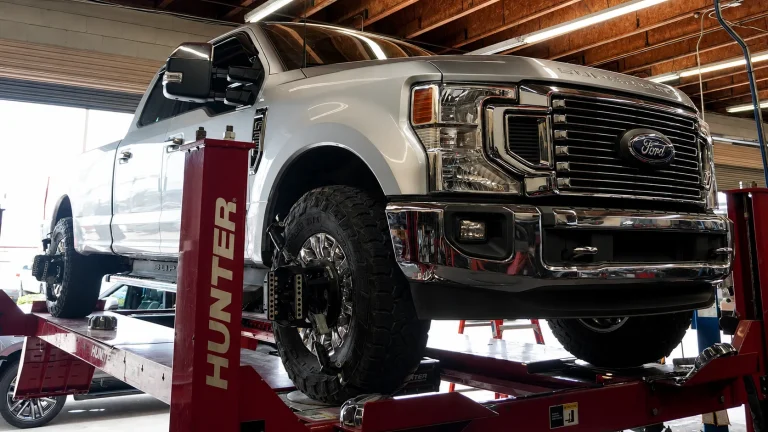
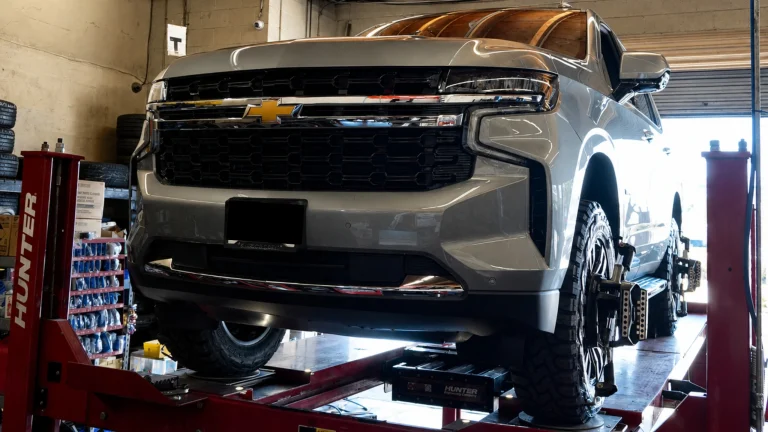
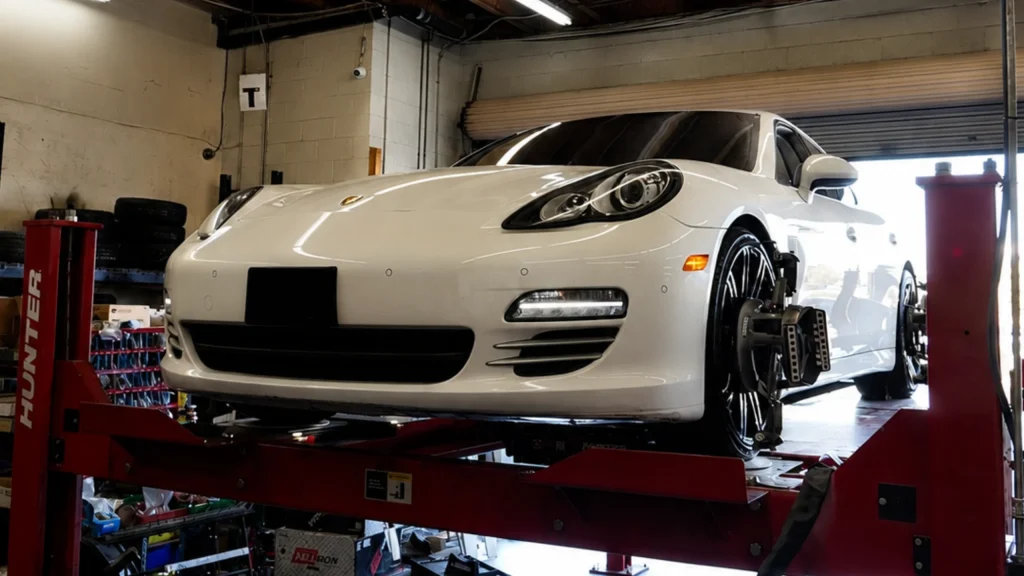
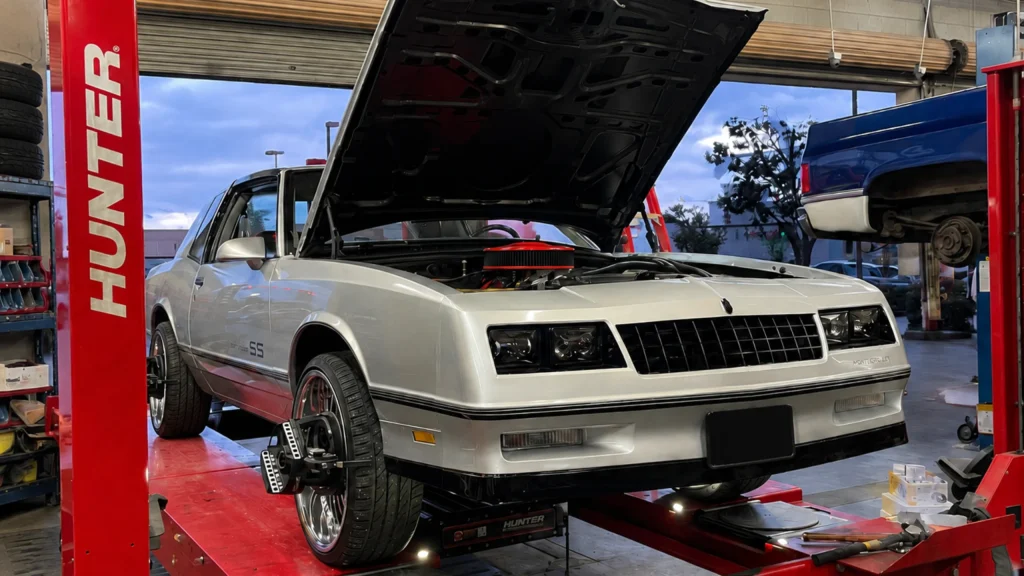
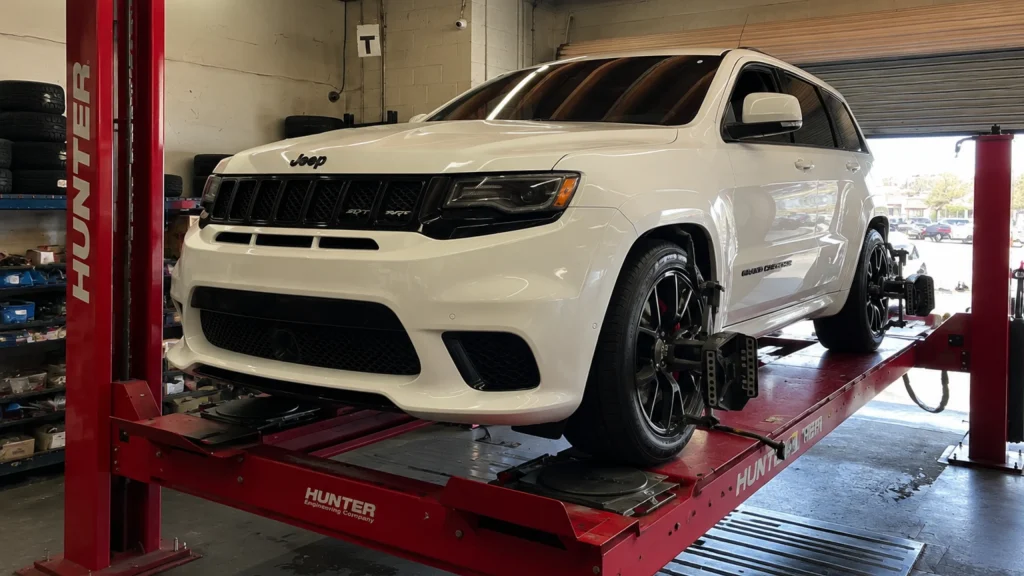
The vehicle is driven onto a specialized alignment rack, where the tires rest on flat plates that allow controlled movement during measurement. A technician then attaches sensors or reflective targets to each wheel. These tools communicate directly with the alignment machine, capturing the exact angles of every wheel in real time.
From there, the machine measures your current alignment angles — toe, camber, and caster — and the technician compares those readings against your vehicle’s manufacturer specifications. This is the diagnostic core of the service. Small deviations that feel invisible while driving often show up clearly in the data. If you’ve noticed any signs you need a wheel alignment, like slight pulling or uneven tire wear, this step is where the cause gets confirmed on paper.
Adjustments are then made to bring each angle back within spec. Toe is almost always adjustable. Camber and caster, however, depend entirely on your vehicle’s design — not all vehicles allow full adjustment of these angles without additional aftermarket parts. Once corrections are made, the steering wheel is centered so it sits straight during normal driving.
A final measurement confirms everything landed within tolerance. In most shops today, you’ll receive a before-and-after printout or digital report showing your original readings alongside the corrected values — a standard transparency expectation for US auto service. This report is also a practical tool for tracking your service history, which matters when considering how often wheel alignment should be performed. Most manufacturers recommend checking alignment every 12 months or 12,000 miles, though hitting a significant pothole or replacing suspension components can move that timeline up considerably. Knowing your interval and keeping that printout on file makes it easier to stay on schedule.
The type of alignment performed during this process — whether it covers just the front axle or all four wheels — depends on your vehicle’s suspension design, which is exactly what the next section covers.
Front-End vs. Four-Wheel Alignment
Not every alignment is the same — and the type your vehicle needs is determined by its design, not simply your preference.
A front-end alignment adjusts only the front two wheels, correcting camber, caster, and toe on the axle that typically handles steering. This service works for older vehicles and trucks with solid rear axles, where the rear suspension offers no adjustability.
Four-wheel alignment checks and adjusts all four wheels, bringing every corner of the vehicle into proper geometric relationship. Most modern cars, SUVs, AWD vehicles, and anything with independent rear suspension requires this more comprehensive service. As cost and service guides note, four-wheel alignment typically costs more than a front-end service — a difference that reflects the added labor and precision involved.
There’s also a third variation worth knowing: thrust angle alignment, which corrects the rear axle’s position relative to the vehicle’s centerline. When the rear axle sits off-angle, the vehicle “dogs” or crabs sideways even when the front wheels point straight. Correcting thrust angle is sometimes necessary before front-end adjustments will hold properly. Understanding how alignment affects your tires long-term makes it easier to appreciate why getting the right type matters from the start.
One practical consideration: knowing how often wheel alignment should be performed and which type your vehicle needs go hand in hand. Asking your technician which service applies to your specific make and model — before the work begins — ensures you’re not paying for less than your vehicle actually requires. Once the correct alignment is complete, the results should be immediately noticeable.
What Results Should You Expect After an Alignment?
A successful wheel alignment delivers immediate, noticeable changes — and understanding what to expect during a wheel alignment helps you confirm the service actually worked.
The most immediate changes drivers notice:
Straighter steering — the vehicle tracks forward without constant correction
Centered steering wheel — no more off-center position at highway speeds
Reduced pulling — the car stops drifting left or right on flat roads
More stable handling — especially during lane changes and gentle curves
Improved tire wear — even contact across the tread develops over subsequent miles
Some results, like tire wear improvement, take weeks of driving to become visible. Others — centered steering, reduced pulling — are apparent the moment you leave the shop. If you still notice vibration or shimmy after alignment, that’s worth investigating further; our common post-service questions cover what’s normal and what isn’t. However, alignment alone doesn’t resolve every handling complaint — and that’s exactly what the next section addresses.
When Alignment Alone May Not Fix the Problem
The wheel alignment process can resolve a lot of handling issues — but it isn’t a catch-all fix, and a responsible shop should inspect your vehicle before promising it will solve every symptom.
Several underlying problems can persist even after a perfect alignment. Worn steering and suspension components — such as ball joints, control arms, or tie rod ends — can make it impossible to hold correct settings. A bent wheel or damaged rim, tire internal damage, uneven wear, or incorrect tire pressure will continue causing pull or vibration regardless. Brake drag and wheel balancing issues are separate services entirely. Previous accident damage or a bent frame may require structural repair first. On newer vehicles equipped with driver-assistance technology, ADAS calibration may also be needed after any alignment-related work. Getting those root causes diagnosed upfront is what separates a lasting repair from a temporary fix — and it’s exactly why the quality of professional service matters so much.
Why Professional Alignment Matters for Tires and Wheels
A proper wheel alignment protects your tire investment, extends tread life, and keeps your vehicle handling safely — especially after installing new wheels, changing tire sizes, or modifying suspension components. Misalignment quietly destroys tires through uneven wear, and no amount of rotation or balancing compensates for angles that are simply wrong.
This isn’t a practical DIY service. Alignment requires precision computerized equipment and trained hands to interpret before/after readings correctly. When choosing a shop, look for ASE-certified technicians or ASE-recognized facilities — a reliable trust signal that the person adjusting your vehicle’s geometry actually understands it. Knowing how long does a wheel alignment take (typically under an hour) makes it easier to schedule without excuses. For EV owners, specialized alignment service accounts for the unique suspension geometry those vehicles require.
Protect your tires, wheels, and suspension with a professional wheel alignment service. Schedule your alignment check and drive with more confidence.