A grinding noise while driving, braking, or turning is usually a warning sign that something in your vehicle needs attention. Common causes include worn brake pads, bad wheel bearings, damaged CV joints, or transmission problems.
Ignoring a grinding noise can lead to more expensive repairs and even unsafe driving conditions. In this guide, we’ll explain the most common causes of car grinding noises, what symptoms to look for, and when you should have your vehicle inspected.
The most common causes of a grinding noise while driving include worn brake pads, bad wheel bearings, damaged CV joints, transmission problems, and failing engine accessories.
Grinding Noise When Braking (Most Common Cause)
1. Worn Brake Pads or Rotors
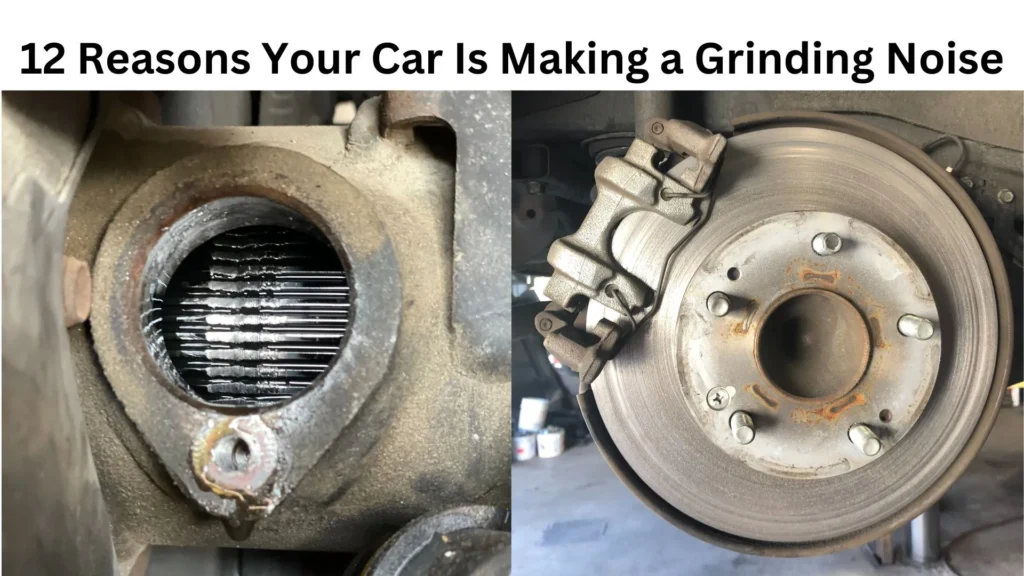
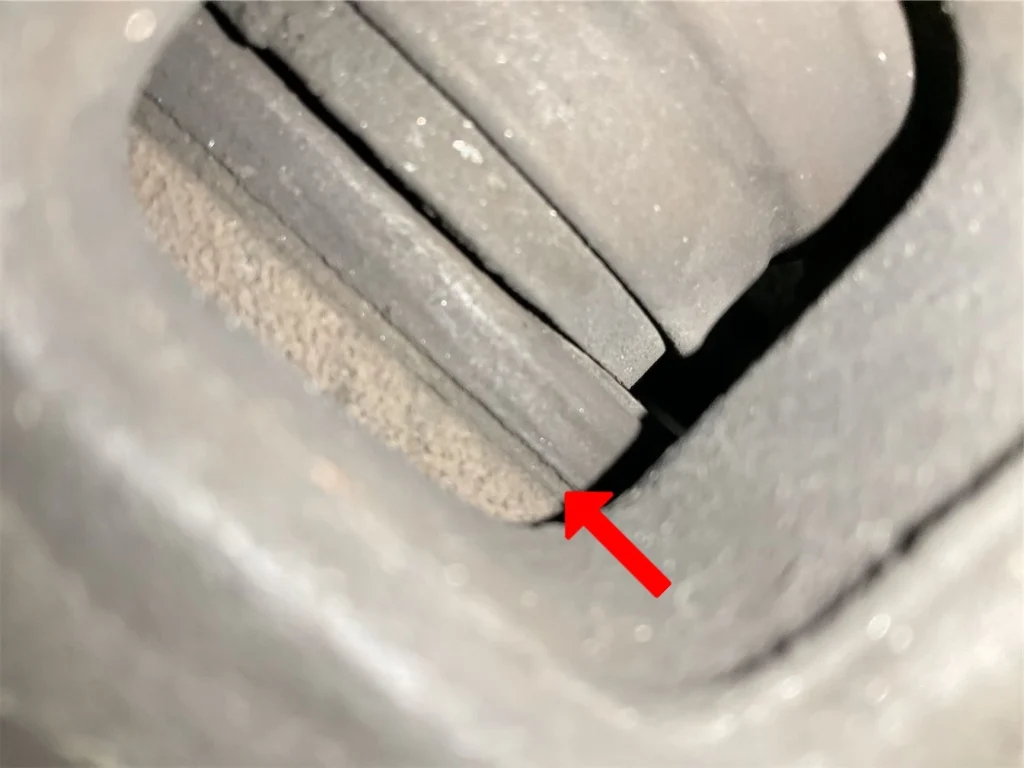
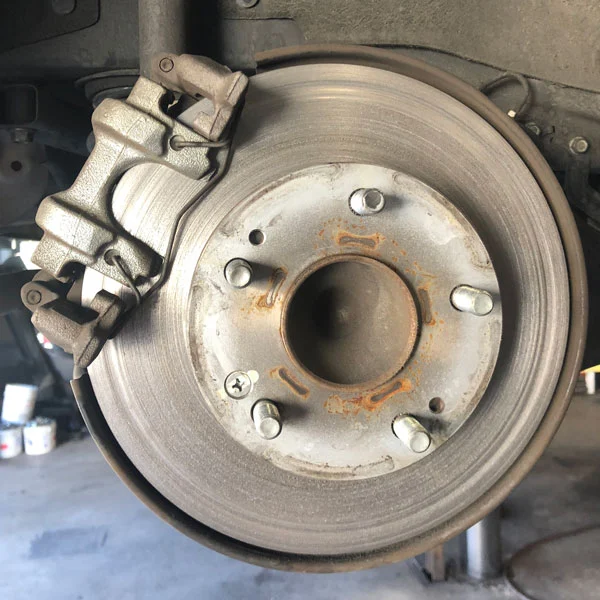
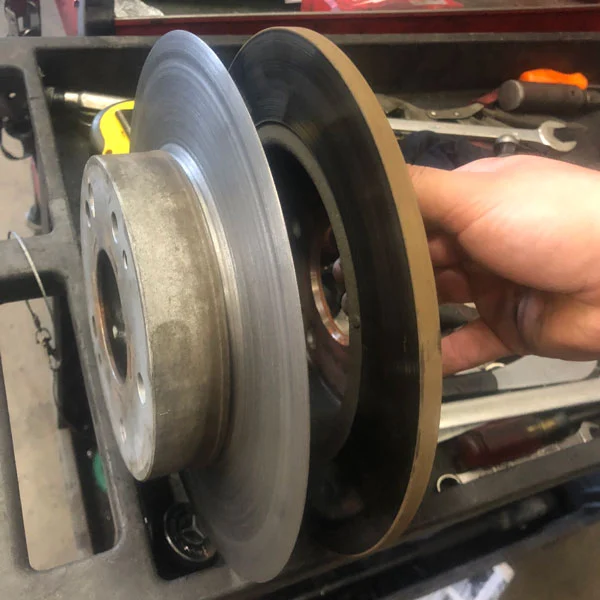
Worn brake pads are one of the most common causes of a grinding noise when braking. If the brake pads wear below the recommended thickness, the metal backing plate can contact the rotor, creating a metal-on-metal grinding sound.
Common symptoms include:
- Grinding noise when braking
- Low brake pedal feel
- Reduced braking performance
- Vibrations while braking
If ignored, worn brake pads can damage the brake rotors and increase repair costs.
A brake inspection should be performed regularly to monitor brake pad life and overall brake condition.
2. Brake Pad Material
Different brake pad compounds contain different materials. Semi-metallic brake pads often contain larger amounts of metal and may produce more grinding or scraping noises than ceramic brake pads.
Some performance or racing brake pads may also create grinding sounds during normal operation.
3. Lack of Lubrication in the Brake System
Brake caliper guide pins and brake hardware require lubrication to function properly. Without lubrication, brake pads may drag against the rotor continuously, causing squealing or grinding noises.
Rust or seized brake components can also prevent the brake pads from fully releasing.
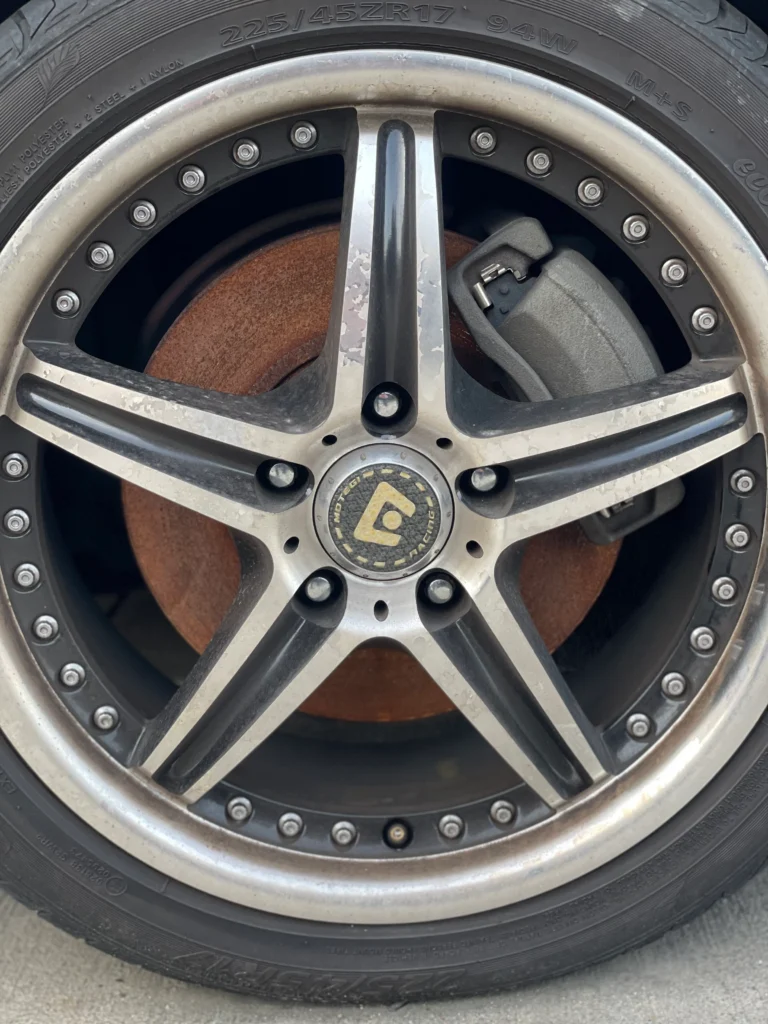
4. Rusted Brake Rotors
If a vehicle has not been driven for an extended period, rust can form on the brake rotors. This may create a grinding noise when the vehicle first begins moving.
In many cases, the noise disappears after several brake applications remove the surface rust.
5. Rocks or Debris Stuck Between the Caliper and Rotor
Small rocks or debris trapped in the brake system can create grinding or scraping noises while driving.
Foreign objects stuck between the rotor and backing plate may also damage the brake rotor if not removed quickly.
6. ABS Activating
During sudden or hard braking, the anti-lock braking system (ABS) may produce a grinding or vibrating sensation.
This is normal ABS operation and usually occurs during emergency braking situations when the system prevents wheel lockup.
7. Bent Backing Plate
A bent brake backing plate can contact the brake rotor and create a constant grinding sound.
Because backing plates are made from thin metal, they can easily bend after road debris impact or improper brake service.
Grinding Noise When Turning
8.Faulty Wheel Bearings
Wheel bearings help the wheels rotate smoothly while driving. When wheel bearings wear out, metal-to-metal contact can create grinding or humming noises.
Symptoms of bad wheel bearings include:
- Grinding noise while driving
- Noise that gets louder when turning
- Steering wheel vibration
- Loose steering feel
- ABS warning light
A failing wheel bearing should be repaired quickly to avoid unsafe driving conditions.
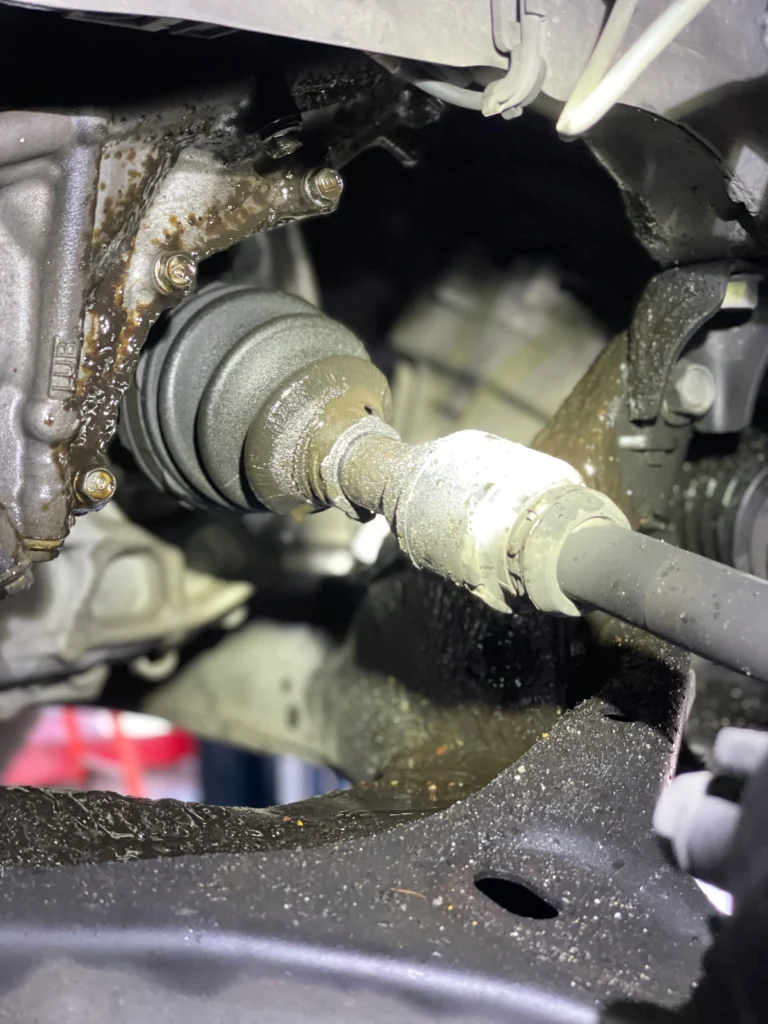
9. Faulty CV Joint
CV joints contain bearings protected by grease and rubber boots. If the CV boot tears, grease leaks out and contamination enters the joint.
Without proper lubrication, the CV joint can begin producing grinding or clicking noises while turning or accelerating.
Grinding Noise While Driving at Any Speed
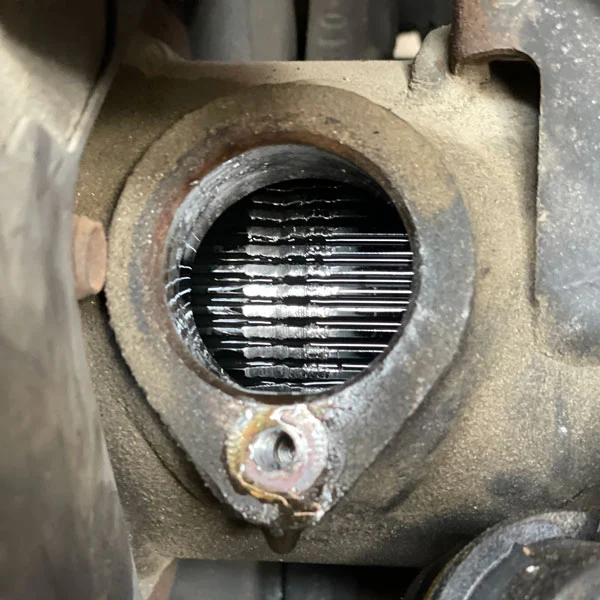
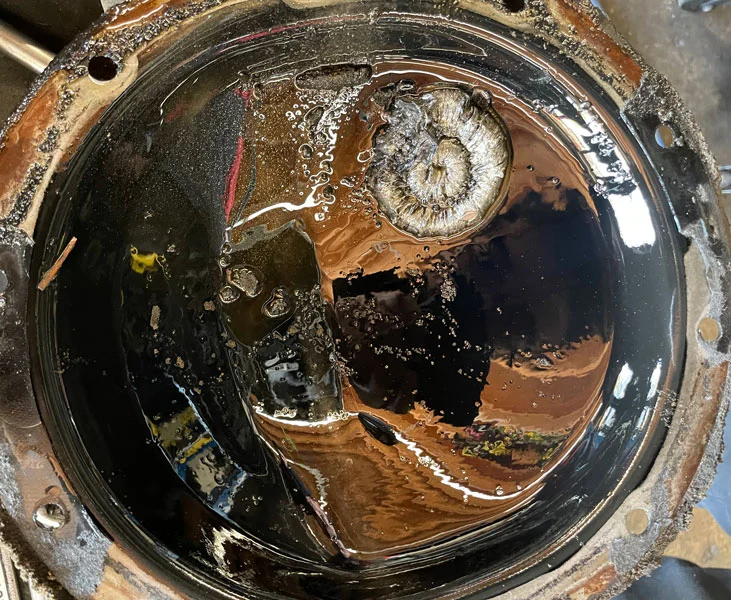
10. Faulty Differential
The differential transfers engine power to the wheels and allows them to rotate at different speeds.
Worn differential gears or damaged bearings can produce grinding or humming noises, especially during acceleration.
If severe internal damage occurs, the differential assembly may need replacement.
Grinding Noise When Accelerating or Shifting Gears
11. Transmission Problems
Damaged transmission gears can create grinding noises when shifting gears in automatic or manual transmissions.
Manual transmission vehicles may also produce grinding noises if the clutch is worn or improperly adjusted.
Transmission problems should be inspected by a qualified mechanic as soon as possible.
Grinding Noise From the Engine Bay
12.Engine Grinding Noises
Water Pump Bearing Failure
A failing water pump bearing may create a grinding noise coming from the engine bay while the engine is running.
Ignoring this issue can eventually lead to overheating problems.
Bad Alternator Bearings
A bad alternator bearing can create grinding noises from the front of the engine.
If the alternator fails completely, the battery may stop charging and the vehicle could stall.
AC Compressor Problems
If the grinding noise appears when the air conditioning is turned on, the AC compressor bearing may be failing.
A damaged compressor can also affect the serpentine belt system.
Failing Belt Drive Components
Any pulley or bearing in the accessory drive system can create grinding noises when worn out.
If one component locks up, it may damage the serpentine belt and disable:
- the alternator,
- water pump,
- power steering,
- and AC system.
Can I Drive With a Grinding Noise?
Driving with a grinding noise is not recommended because the issue could involve critical components such as brakes, wheel bearings, or the transmission.
Continuing to drive may cause additional damage, increase repair costs, and create dangerous driving conditions.
If your car is making a grinding noise, it’s best to have it inspected by a qualified technician as soon as possible.