As the sole point of contact between your vehicle and the road, tires are arguably the most critical safety and performance components you own.
Their tread design and sidewall structure determine how well your car grips the road, maintains traction, and absorbs shocks from potholes or debris. Yet, they’re often the most overlooked element in regular car care.
Understanding tire details such as tread depth, air pressure, and proper rotationhelps extend tire life and improve overall driving performance.
This guide breaks down everything you need to know about tire anatomy, types, maintenance, and safety basics to help every driver make informed decisions.
What Are Tires and How Do They Work?
Tires are much more than circular pieces of rubber they are precision-engineered components designed to connect your vehicle safely to the road.
Acting as the sole point of contact between your car and the surface below, each tire directly influences performance, traction, braking, and ride comfort across all seasons and terrains.
The basic anatomy of a tire (tread, sidewall, bead, carcass)
A tire’s structure is a complex assembly of interlocking parts, each with a crucial role. This is the fundamental Tire Anatomy:
- Tread: This is the outer layer that makes contact with the road. Its patterns and grooves (sipes) are meticulously designed to provide grip, channel water away to prevent hydroplaning, and ensure stability.
- Sidewall: The section between the tread and the wheel rim, comprising the outer and inner walls. The tire sidewall provides lateral stability, absorbs road imperfections for a smoother ride, and contains all the crucial information about the tire’s specifications.
- Bead: A high-strength, steel-cable bundle that creates an airtight seal, securing the tire firmly to the wheel rim.
- Carcass (or Body): This is the tire’s underlying structure, or skeleton. It consists of multiple layers of rubber-coated fabric plies (often polyester or nylon) that give the tire its strength and flexibility.
Most modern tires feature a radial tire design, where these plies run perpendicular to the direction of travel, enhancing durability and road contact.
How tires support vehicle performance and safety
Every aspect of driving accelerating, braking, and cornering relies entirely on the traction generated by your tires’ small contact patches with the road.
The right set of proper tires can dramatically improve fuel efficiency, significantly shorten braking distances, and provide stable, predictable handling.
Conversely, a worn, damaged, or improperly inflated tire can make it hard to control the vehicle. This is especially true in bad weather. So, choosing and maintaining tires properly is very important for safety.
Understanding how your tires contribute to safety is the first step toward becoming a more proactive and responsible vehicle owner.
Key tire materials and technologies used by modern manufacturers
Modern Tire Construction is a marvel of material science. Manufacturers blend natural and synthetic rubbers with a host of chemicals and reinforcing materials like carbon black and silica.
These compounds are carefully formulated to achieve a precise balance between grip, durability, and rolling resistance.
Advanced technologies include computer-designed tread patterns that reduce noise. They also use special rubber that stays flexible in winter.
Some tires have reinforced sidewalls that let you drive even when flat. This continuous innovation aims to make tires safer, more efficient, and longer-lasting than ever before.
Different Types of Tires and Their Uses
Selecting the right tire type is essential for maximizing your vehicle’s performance, safety, and longevity. Tires determine how effectively your car accelerates, brakes, and maintains traction on different terrains and in changing weather conditions.
From touring tires for smooth paved roads to mud-terrain tires for off-roading, every category serves a distinct purpose. Understanding these differences helps drivers and fleet owners make informed decisions that optimize cost and performance.
Passenger car tires (touring, performance, all-season)
For the majority of cars, all-season tires are the go-to choice. These regular tires offer a balanced blend of capabilities for various seasons, providing acceptable performance in dry, wet, and light snow conditions on regular roads.
Touring tires build on this by prioritizing a quiet, comfortable ride and longer tread life, making them ideal for long-distance commuters. For a performance-oriented vehicle or a low-sitting sports car, high-performance or summer tires are often standard.
They use softer rubber compounds and wider profiles to maximize grip and handling on the road, but this comes at the expense of longevity and capability in cold weather.
Truck and SUV tires (AT, MT, highway terrain)
Tires for a truck or SUV are built to handle heavier loads and more demanding conditions.
- Highway-terrain (H/T) tires are essentially heavy-duty road tires, designed for smooth, quiet operation on paved roads.
- All-terrain tires (A/T) offer a versatile compromise, featuring a more aggressive tread that provides reliable traction on unpaved roads, gravel, or light road trails without creating excessive noise or a harsh ride on the highway. This makes them a popular choice for drivers who use their vehicle for daily commuting as well as weekend camping trips.
- Mud-terrain tires (M/T) for the most extreme conditions, boast the most aggressive tread patterns with large voids, designed to dig through deep mud and conquer challenging off-road terrain on dirt roads.
They are common on modified SUVs and heavy duty trucks but are often noisy and wear faster on pavement.
Commercial and fleet tires (heavy-duty, long-haul, industrial)
In commercial operations, tire selection directly affects fuel economy, maintenance costs, and safety.
- Long-haul tires minimize rolling resistance to improve miles per gallon during highway routes, ideal for logistics and transport companies.
- Regional tires are reinforced to handle frequent braking, cornering, and weight shifts in city driving.
- Industrial and heavy-duty truck tires feature thicker tread sections and specialized compounds to resist punctures, flats, and sidewall damage caused by heavy loads or uneven surfaces.
Fleet operators often monitor tire wear, rotation intervals, and tread depth using a tire tread depth checker to prevent failures and maximize the life of each tire. Properly maintained radial tires can last longer and provide a smoother ride under normal circumstances.
Specialty tires (Run-Flats, Winter, and Off-Road Options)
Specialty tires are built for specific environments and safety needs.
- Run-flat tires allow drivers to continue for several miles after a puncture by supporting the vehicle’s weight with a reinforced sidewall ideal for emergencies when no spare tire is available.
- Winter tires (or snow tires) are essential during cold months, designed with flexible rubber that maintains traction on ice, slick roads, and frozen pavement. Their unique grooves grip better than regular tires, reducing braking distance in cold temperatures.
- Off-roading tires are built for unpaved roads, dirt trails, and mountain terrain. Their durable carcasses handle sharp rocks, glass, or objects that could otherwise cause punctures or flats.
Choosing between radial and bias-ply constructions also depends on the vehicle type radial tires provide comfort and fuel efficiency, while bias designs are used in industrial or off-road applications for their stiffness.
Whether you manage a transportation fleet, a distribution center, or simply want to enhance your vehicle’s performance, choosing the right tires is a strategic decision that impacts safety, efficiency, and cost per mile.
Contact our tire experts to help you select, inspect, and maintain the right tires for your vehicles, ensuring optimal performance on every road and in every season.
How to Read Tire Sizes and Labels
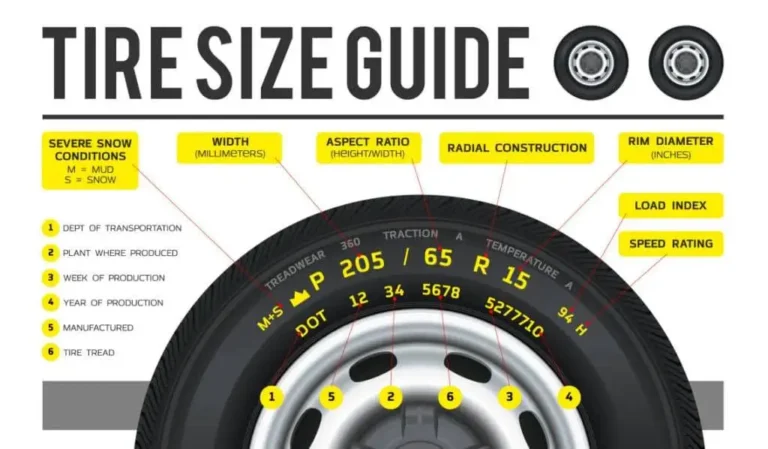
Reading the numbers and codes printed on a tire’s sidewall is one of the most valuable skills a vehicle owner, driver, or fleet manager can have. Each marking provides essential information about the tire’s size, load capacity, speed rating, and production date. Understanding these details ensures that your vehicle operates safely and efficiently no matter the weather, terrain, or driving scenario.
Understanding tire size codes (e.g., 225/45R17)
The sequence of numbers and letters on your tire represents critical data that determines how the tire interacts with your vehicle and the road.
For instance, the code P225/45R17 can be decoded as follows:
- P: Indicates “P-Metric,” meaning the tire is for passenger cars. Light trucks often use “LT,” while commercial vehicles may display “C.”
- 225: The width of the tire (in millimeters) measured from sidewall to sidewall.
- 45: The aspect ratio the height of the tire’s sidewall as a percentage of its width. A lower number means a shorter sidewall, resulting in a stiffer ride quality and more responsive handling.
- R: Refers to radial tire construction, the most common design in modern vehicles due to its superior traction, comfort, and fuel efficiency.
- 17: Represents the wheel’s diameter in inches, matching the rim size for a proper fit.
Selecting a tire with the exact size recommended in your vehicle’s owner’s manual or printed on the OEM sticker (usually found inside the driver’s side door) ensures optimal performance, even wear, and correct air pressure distribution.
Load index, speed rating, and manufacturing date
Beyond the size code, additional markings help determine how much weight a tire can carry and the maximum speed it can sustain safely:
- Load Index (e.g., 91): Indicates the maximum tire load capacity when properly inflated. Using a tire with a lower index than recommended can lead to premature wear or even failure under heavy loads.
- Speed Rating (e.g., V): Corresponds to the top speed the tire can safely handle under standard conditions. For example, “V” means the tire is rated up to 149 mph (240 km/h).
- DOT Code: A code assigned by the Department of Transportation that confirms the tire meets U.S. safety standards. The final four digits (e.g., 3223) represent the week and year of manufacture meaning this tire was made in the 32nd week of 2023.
Regularly checking these markings is crucial for fleet vehicles, as outdated or mismatched tires can impact fuel efficiency, handling, and braking performance.
DOT and UTQG markings: what they mean for safety and performance
The Department of Transportation (DOT) symbol certifies that the tire meets all federal safety standards. The Uniform Tire Quality Grading (UTQG) system provides comparative ratings on treadwear, traction, and temperature resistance. While assigned by the manufacturers themselves, these ratings offer a standardized way to compare the potential performance of different tires.
Key Markings Every Driver Should Know
In addition to the core codes, look for the following identifiers printed along the tire’s outer and inner walls:
- M+S (Mud and Snow): Indicates moderate performance in light mud and snow, common on all-season tires.
- 3PMSF (Three-Peak Mountain Snowflake): Denotes certified winter tires suitable for cold temperatures and icy roads.
- TWI (Tread Wear Indicator): Marks where you can measure the limit of tire tread — replace your tires when they reach this point.
- Max PSI: Shows the maximum air pressure the tire can hold. Use it as a reference, but always inflate according to your vehicle’s OEM recommendation.
Understanding these details prevents flats, improves fuel economy, and ensures your tires perform within legal and safety limits.
Selecting the correct tire size and rating is not just a technical detail it’s a safety and performance decision that affects every mile your fleet or vehicle travels.
Contact Comtires for expert guidance on selecting tires that meet DOT and manufacturer standards for your cars, trucks, or commercial vehicles. Our specialists help ensure compliance, efficiency, and reliability across all terrains and weather conditions.
Tire Maintenance 101
Proper tire maintenance is one of the simplest yet most effective ways to improve your vehicle’s safety, enhance performance, and extend overall tire life.
Every driver, fleet operator, and vehicle owner should perform regular inspections, monitor tire pressure, and follow rotation schedules to prevent uneven tread wear and avoid costly flats or breakdowns on the road.
Ignoring tire care can cause traction loss, reduced fuel efficiency, and even tire damage from potholes, debris, or underinflation. Fortunately, with the right practices and attention to manufacturer recommendations, keeping your tires in optimal condition is straightforward.
The importance of regular inspections
As a responsible owner, you should regularly inspect your tires for signs of damage from potholes or bumpy roads, such as cuts, bulges, or punctures. You should also check the tread depth to ensure it is above the legal limit, which is typically 2/32 of an inch in most states.
A simple method is the “penny test”: place a penny with Abe Lincoln’s head upside down in a tread groove. If you can see his entire head, the tread is worn below the safe limit and it’s time for new tires.A dedicated tire tread depth checker provides a more precise measurement.
Proper tire pressure and inflation tips
Maintaining the correct tire pressure is the single most important maintenance task.
- Under-inflation causes excessive heat buildup, premature wear on the outer edges, and poor fuel economy.
- Over-inflation reduces traction, creates a harsh ride, and causes the center of the tread to wear down faster.
You can find the exact tire pressure recommendations for your vehicle on the OEM sticker located on the jamb of the driver’s side door or in your vehicle’s owner’s manual.
Check your current pressures at least once a month using a reliable handheld tire pressure gauge. Always check when the tires are cold (before driving or after sitting for several hours) to get an accurate reading.
Remember that as outdoor temperatures drop during the cold months, so will your tire pressure by about 1 PSI for every 10°F drop.
Rotation, balancing, and alignment schedules
Regular rotations the practice of moving your tires to different positions on the vehicle are crucial for promoting even tread wear and extending their life. A common schedule is every 5,000 to 7,500 miles.
If you have a full-sized spare tire, you can include the spare in tire rotations to ensure all five tires wear evenly.
Tire balancing corrects weight imbalances that cause vibration, and wheel alignment ensures the wheels are pointing in the correct direction, preventing premature and uneven wear.
Common signs your tires need replacement
Recognizing early signs of tire wear or damage can prevent accidents and costly repairs. Replace your tires if you notice:
- Visible tread wear indicators (raised bars across the grooves)
- Persistent vibration even after balancing
- Bulges or cracks in the sidewall
- Frequent flat tires or slow leaks
- Uneven wear patterns due to misalignment
In addition, most tire manufacturers recommend replacing any tire older than six years, regardless of appearance, since internal compounds degrade over time, affecting traction and safety.
Routine tire maintenance is not just good practice it’s a smart business decision.
Fleet managers, transport operators, and businesses that monitor tire condition regularly save significantly on fuel, repairs, and downtime.
Schedule a preventive tire inspection with Comtires to ensure your vehicles, trucks, or equipment maintain optimal traction, safety, and efficiency across all terrains and weather conditions.
How to Choose the Right Tire for Your Vehicle
Selecting the right tire involves balancing your vehicle’s requirements, your budget, and your typical driving conditions to find the perfect match.
Factors to consider (driving habits, weather, terrain, load)
First, consider your daily commute, typical weather patterns, and the type of terrain you encounter. A driver with an aggressive style in a performance car needs a very different tire than someone commuting in a minivan through four distinct seasons of warm weather and cold.
If you plan on driving on anything other than paved roads, your choice will shift towards more robust options. The tire load requirements are also a critical factor for any truck or SUV owner who tows or hauls heavy materials.
OEM recommendations vs. aftermarket options
Every vehicle manufacturer selects Original Equipment Manufacturer (OEM) tires to balance comfort, tread life, fuel efficiency, and noise reduction.
These are safe and reliable for normal circumstances, but aftermarket alternatives allow for more customization.
- OEM tires: Designed specifically for your car’s suspension and weight balance, ensuring consistent performance on regular roads.
- Aftermarket tires: Offer specialized benefits, such as enhanced traction in cold weather, improved fuel efficiency, or increased durability for off-roading and commercial use.
When selecting aftermarket options, ensure the tire model, load index, and speed rating meet or exceed OEM standards to maintain safety compliance.
How tire brands differ (premium vs. economy)
Premium brands invest heavily in research and development, which often results in tires with superior grip, longer life, and better fuel efficiency.
Economy brands offer a cheap and practical option. But they may not perform as well or last as long. The choice often comes down to balancing upfront cost with long-term value and performance.
The right tire choice reduces operating costs, improves safety, and enhances performance across every mile.
Request a professional tire recommendation from Comtires our team helps companies, fleets, and individual drivers identify the proper tire model, size, and pressure for their specific vehicle, terrain, and weather conditions.
Understanding Tire Performance Ratings
Beyond the sidewall codes, understanding performance metrics like UTQG ratings and independent test results helps you make a more informed choice when comparing different tire models.
Traction, temperature, and treadwear ratings explained
The UTQG ratings offer a baseline for comparison printed on the tire sidewall:
- Traction: Graded AA, A, B, or C (with AA being the best). This measures a tire’s ability to stop in a straight line on wet pavement and does not indicate cornering grip.
- Temperature Resistance: Graded A, B, or C. This measures the tire’s ability to dissipate heat and resist degradation at high speeds.
- Treadwear: This is a comparative number. A tire with a 600 rating is expected to last twice as long as one rated 300 under identical, controlled conditions. It’s best used for comparing tires from the same brand.
How to compare tires using UTQG and independent test results
UTQG is a good place to start. But independent tests from trusted sources give more detailed real-world data. These tests show handling, hydroplaning resistance, and snow grip. UTQG does not cover these areas.
Consulting these resources provides a much clearer picture of how a tire will actually perform for your specific needs.
Fuel efficiency and rolling resistance impact
Rolling resistance is the energy a tire consumes to maintain movement. Tires with lower rolling resistance are more energy-efficient and can improve a vehicle’s fuel economy, making this an important factor for cost-conscious and environmentally-aware drivers. However, this often involves a trade-off with ultimate grip.
Understanding tire performance ratings empowers better purchasing decisions and safer operations.
Contact Comtires to consult with our experts about selecting high-performance, DOT-certified tires that meet your fleet, vehicle, and terrain requirements. We help you balance fuel efficiency, traction, and tread life all backed by technical expertise and trusted service.
Sustainability and Tire Recycling
Tires’ impact on the environment is a growing concern. This has led to big improvements in recycling and making tires.
How modern tire recycling programs work
Millions of tires reach the end of their service life every year, but instead of being sent to landfills, most are now repurposed through tire recycling programs.
These initiatives recover valuable materials such as rubber, steel, and textiles for reuse in other industries.
Recycled rubber is commonly used in:
- Playground and athletic surfaces for safer traction and shock absorption.
- Rubberized asphalt for paved roads and highways, improving durability and grip.
- Tire-derived fuel, a cleaner alternative for industrial energy production.
By transforming old road tires into functional materials, recycling reduces the need for new raw rubber and decreases greenhouse emissions associated with production.
Eco-friendly tire innovations (low rolling resistance, retreading)
Manufacturers are continually improving the environmental performance of new tires through:
- Low rolling resistance compounds, which improve fuel efficiency and reduce CO₂ emissions.
- Silica-infused tread designs that enhance wet-road traction while lowering energy consumption.
- Use of bio-based materials and recycled components in tire construction, extending overall tire life.
- Retreading, a sustainable process where the worn tread section of a structurally sound tire is replaced, giving it a “second life” and cutting production-related waste.
For fleets and heavy-duty trucks, retreading significantly reduces operational costs and conserves natural resources all without compromising safety or performance. Each retreaded tire can save up to 15 gallons of oil and extend service by tens of thousands of miles.
Reducing your environmental footprint starts with smarter tire management.
Partner with Comtires to implement sustainable tire programs including retreading, recycling, and preventive maintenance for your fleet, trucks, or commercial vehicles.
Our experts ensure compliance with DOT and EPA standards while helping your business save costs and support a cleaner future.
Conclusion
Your tires are far more than components of your vehicle they are the foundation of safety, performance, and efficiency on every road and in every season.
The Role of Tire Design and Maintenance
From the tread that grips the road to the sidewall that absorbs shocks, every part of a tire plays a role in keeping your vehicle stable, responsive, and fuel-efficient.
Understanding tire anatomy, tread patterns, and proper inflation helps you make smarter decisions, prevent flats, and improve traction.
Regular rotations and inspections extend tire life and save you money over time.
For fleets and businesses
For commercial vehicles, tire knowledge directly affects performance and costs.
Proper inflation, load distribution, and alignment can:
Increase fuel efficiency
Reduce downtime and breakdowns
Lower cost per mile
Incorporating sustainable practices like tire retreading and recycling not only cuts expenses but also shows environmental responsibility — a growing priority in today’s transportation industry.
The Smart Investment in Safety and Sustainability
Whether you drive a passenger car, manage heavy-duty trucks, or oversee a commercial fleet, choosing the proper tires for your conditions is a long-term investment in safety, stability, and sustainability.
FAQs
How to choose the right tire size for my car?
To find the correct tire size for your vehicle, look for the manufacturer’s label located on the driver-side door jamb or in your owner’s manual.
This label lists the recommended width, aspect ratio, and rim diameter — for example: 225/45R17.
💡 Pro tip:
Using the wrong tire size can negatively affect your handling, braking distance, ride comfort, and fuel efficiency.
When in doubt, talk to the experts at Comtires, your local family-owned tire shop in Ontario, CA. We’ll confirm the right size, load index, and speed rating for your car, truck, or fleet — ensuring safety and performance on every drive.
Where can I find tires for sale near me?
Comtires is a local family-owned tire shop in Ontario, CA, in the Inland Empire offering new and used tires, installation, and repairs — all in one place. Get directions →
What are the benefits of run-flat tires?
Run-flat tires let you drive up to 50 miles after a puncture, improving safety, convenience, and control. Available at Comtires, your trusted local tire shop in Ontario, California.