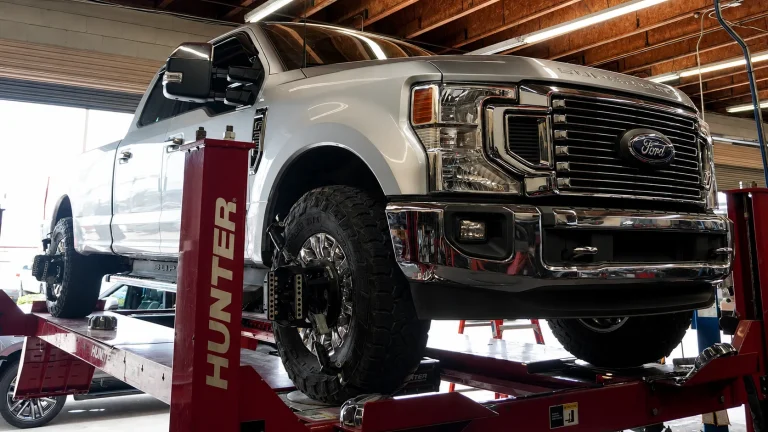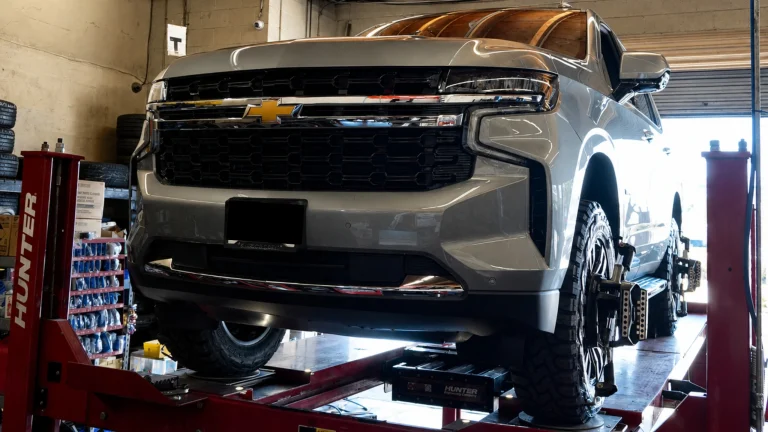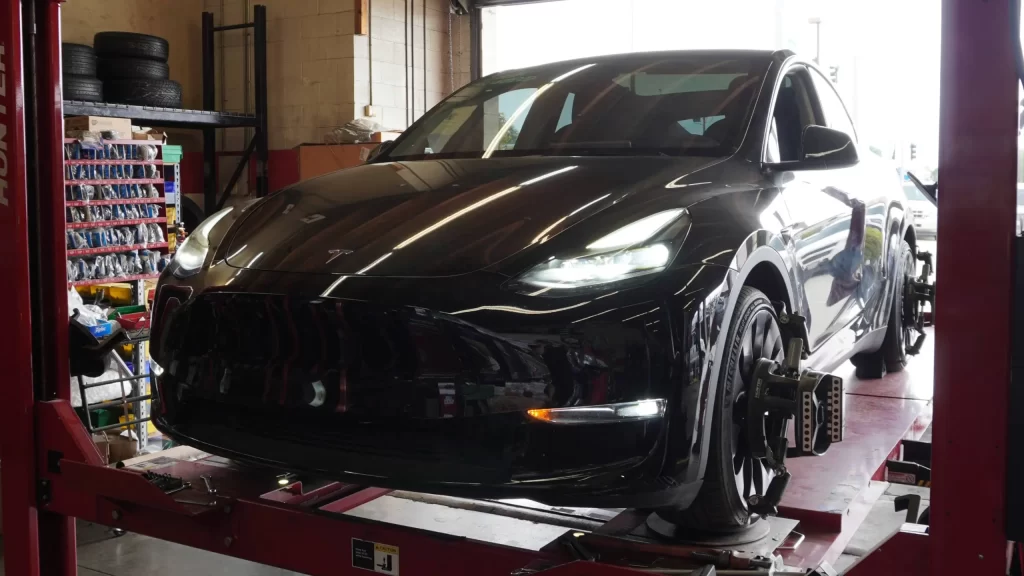
Wheel alignment is a cornerstone of vehicle maintenance. A proper alignment reduces tire wear, improves fuel efficiency, and stabilizes handling for a smoother ride. When angles are off, misaligned wheels increase rolling resistance, cause uneven tire wear, steering wheel vibration, and even raise the risk of accidents.
This guide explains the essentials so you can spot alignment issues, protect tire longevity, and enhance your driving experience.
What Is Wheel Alignment and Why It Matters
Alignment is the precise adjustment of suspension components so the wheels meet the road at the correct alignment angles. It’s not the tire itself; it’s how the suspension positions the wheel. When angles are correct, a car tracks straight on a straight road with minimal correction, reducing driver fatigue and maximizing fuel efficiency.
Our ASE-certified technicians use manufacturer data and verify via road test on both smooth and rough roads to confirm real-world results.
Understanding the Basics: Camber, Caster, and Toe
Alignment isn’t guesswork it’s geometry. Technicians adjust three primary angles that determine how your vehicle handles, steers, and wears tires.
- Camber: The inward/outward angle of the tire. Too much tilt causes uneven tire wear patterns on edges.
- Caster: The forward or backward tilt of the steering axis, crucial for steering return and stability.
- Toe: The direction your tires point when viewed from above. Incorrect toe angles are a leading cause of premature tire replacements.
- Even minor misalignments can shorten tire longevity and increase operating costs, especially for fleets.
The Science Behind Tire Alignment and Vehicle Stability
A well-aligned vehicle has wheels parallel to each other and perpendicular to the road. This minimizes drag, improving fuel efficiency and steering precision. Correct geometry reduces stress on control arms and the suspension system, improving durability and reducing alignment issues after sudden impacts, road hazards, or unpaved roads.
Principles align with safety guidance from organizations like the National Highway Traffic Safety Administration and independent testers (e.g., Consumer Reports) regarding difference proper alignment makes in braking, stability, and tire wear outcomes.
Signs You Need a Wheel Alignment
Recognizing the symptoms of a bad alignment is the first step in preventing more significant issues. Your vehicle will almost always provide clear signals that it’s time for a check.
What Can Cause a Proper Wheel Alignment to Go Out of Specification?
Potholes, curb impacts, collisions, worn suspension components, and changes to ride height can move alignment angles outside manufacturer specifications. Uneven vehicle loads may also affect handling and tire wear. For a detailed explanation, see the most common causes of wheel misalignment.
Uneven Tire Wear and Steering Pull
The most common indicator of an alignment issue is irregular tire wear. Inspect your tires for patterns like wear on only the inner or outer edges (camber issue) or feathering across the tread (toe issue). Another tell-tale sign is the vehicle pulling to one side of the road while you’re driving on a straight, level surface. You may find yourself constantly correcting the steering wheel to keep the vehicle driving straight.
Vibration and Handling Issues
While vibrations can stem from multiple sources, a misaligned suspension can cause a noticeable vibration in the steering wheel, especially at higher speeds. This is often accompanied by a feeling of looseness or wandering in the steering. An off-center steering wheel where the emblem is not level when driving straight is another definitive sign that a wheel alignment is needed.
Fuel Efficiency and Cost Implications
A less obvious but equally important symptom is a sudden drop in fuel efficiency. When your wheels are not aligned, they don’t roll in harmony; they may drag or scrub against the road surface. This increased resistance forces the engine to work harder, consuming more fuel to maintain speed. Addressing an alignment issue is a direct investment in lowering your fuel costs.
Book a Professional Alignment Service Now, keep your tires and suspension in top condition.
Types of Wheel Alignment Services
Not all alignment services are the same. The type of service your vehicle needs depends on its suspension system and drivetrain (front-wheel, rear-wheel, or all-wheel drive).
Wheel Alignment vs. Wheel Balancing: What’s the Difference?
Wheel alignment and wheel balancing solve different problems. Alignment corrects the angles at which the wheels contact the road, while balancing distributes weight evenly around each tire and wheel assembly. Pulling, an off-center steering wheel, and uneven tread wear often point to alignment problems. Vibration at certain speeds is more commonly associated with wheel imbalance, although a professional inspection is needed to confirm the cause.
Two-Wheel vs. Four-Wheel Alignment
A two-wheel alignment, also known as a front-end alignment, adjusts only the front wheels’ toe and camber angles. This service is typically reserved for vehicles with a solid rear axle that cannot be adjusted. However sensors are installed on all 4 wheels to properly measure vehicle’s wheel geometry, and detect any issues on the rear axle.
A four-wheel alignment is the most comprehensive service, adjusting the angles on all four wheels. This is essential for all-wheel-drive vehicles and most modern front-wheel-drive cars with adjustable rear suspensions, as it ensures all wheels are working together perfectly.
Truck and Commercial Vehicle Alignment
Alignment for trucks and commercial vehicles is a specialized discipline. These vehicles carry heavy loads and have complex suspension systems. A proper truck alignment often involves adjusting angles on multiple axles to ensure stability, maximize tire life under heavy strain, and improve fuel efficiency, which is a major operating cost for any fleet.
Precision Digital Alignment Technology (Comtires’ Approach)
We rely on computerized wheel alignment with laser alignment systems, digital camber gauges, and an alignment rack for repeatable accuracy. Our workflow includes laser technology verification and a documented printout. For diagnostics and education, we may demonstrate string method principles (still useful as A Few Basic Tools in motorsports and race shops) alongside modern equipment.
Experienced technicians (including ASE-certified technicians) validate settings via road test to ensure a smoother ride and measurable improvements.
In race car alignment, precise camber and caster adjustments, as well as the Ackerman effect in suspension setup, can influence lap times and adaptability to track conditions. While at Comtires we focus on safety for road vehicles and fleets, the same fundamental principles apply.
How Often Should You Get a Wheel Alignment?
Regular alignment checks are a proactive measure that should be part of your vehicle’s standard maintenance routine, much like an oil change.
Manufacturer Recommendations
Most vehicle manufacturers recommend a wheel alignment check every 10,000 to 12,000 miles or at least once a year. It’s also wise to request an alignment check whenever you purchase a new set of tires to protect your investment and ensure they wear evenly from the start.
Factors That Affect Frequency (road conditions, load, tire type)
Your driving habits and environment play a significant role. If you frequently drive on poorly maintained roads, hit potholes, or bump into curbs, your alignment can be knocked out of specification much sooner. Similarly, vehicles that carry heavy loads or use performance tires may require more frequent alignment checks to maintain optimal condition.
Benefits of Regular Wheel Alignment
The advantages of keeping your vehicle properly aligned extend far beyond a smoother ride, offering tangible benefits for your wallet and your safety.
Not sure what is causing the uneven wear? Learn about the common causes of wheel misalignment and the symptoms that can point to a suspension or steering problem.
Extending Tire Life and Reducing Costs
Proper alignment is the single most effective way to maximize tire life. Even a slight misalignment can cause rapid and uneven tire wear. According to industry data, regular wheel alignments can extend the life of your tires by up to 12,000 miles, saving you hundreds of dollars on premature replacements. It ensures the full tread of the tire contacts the road, distributing the load and wear evenly.
Improving Safety and Vehicle Control
A well-aligned vehicle is a safer vehicle. Correct alignment ensures predictable handling and stable steering, allowing you to maintain control during emergency maneuvers. A wheel that is just slightly out of alignment can cause a significant sideways drift over the course of a mile, requiring constant driver correction and increasing fatigue.
Alignment supports predictable steering, while the condition of your tires and braking system.
Boosting Fuel Efficiency and Sustainability
By minimizing rolling resistance, proper alignment allows your engine to operate more efficiently, directly improving your vehicle’s fuel economy. This not only saves you money at the pump but also reduces your vehicle’s carbon footprint, contributing to a more sustainable driving experience.
Choosing the Right Wheel Alignment Partner
What to look for
- Modern tools: computerized wheel alignment, laser alignment systems, digital camber gauges, and robust alignment rack.
- Transparent reporting: before/after specs plus technician notes.
- Credentials: ASE-certified technicians with experience across platforms (FWD/RWD/AWD, light truck, fleet).
- Process quality: includes a road test and verification on straight road conditions.
Why Fleets Choose Comtires
We pair wholesale tires with precision alignment to cut tire wear, stabilize fuel spend, and streamline vehicle maintenance. From alignment tools to data tracking, we make the key role of alignment measurable.
Fleet Solutions and Preventive Maintenance Programs
Comtires offers comprehensive fleet solutions that bundle wholesale tire purchasing with scheduled, preventive alignment programs. This proactive approach prevents costly roadside issues, extends tire life across the entire fleet, and simplifies maintenance management, allowing businesses to focus on their core operations.
ROI of Combined Tire & Alignment Services
The return on investment for a combined service program is substantial. By ensuring every new set of tires is perfectly aligned from day one, businesses maximize their tire lifespan and fuel efficiency. This integrated strategy reduces the total cost of ownership per vehicle and prevents the cascading maintenance issues that result from poor alignment.
Conclusion: Align Today, Save Tomorrow
Wheel alignment is not a luxury service; it is a fundamental requirement for the health, performance, and efficiency of any vehicle. From extending the life of your tires and improving fuel efficiency to ensuring your safety on the road, the benefits are clear and substantial. By understanding the signs of misalignment and committing to regular checks with a trusted partner like Comtires, you are making a smart investment in your vehicle’s longevity and your own peace of mind. A proactive approach to alignment today directly translates to significant savings and a safer, more enjoyable driving experience tomorrow.
Don’t wait for uneven wear or wasted fuel.
Schedule Your Wheel Alignment with Comtires and drive safer, longer, and smoother.
FAQs
What are the signs that my vehicle needs a wheel alignment?
Common signs include uneven tire wear, pulling to one side, an off-center steering wheel, and unstable or wandering steering. Vibration can have other causes, including wheel imbalance, tire damage, or worn suspension components.
How often should I get a wheel alignment?
There is no single interval for every vehicle. Follow the manufacturer’s maintenance guidance and have the alignment checked after a hard pothole or curb impact, when installing new tires, or whenever you notice uneven wear or steering changes.
Why is proper wheel alignment important for tire life?
Proper wheel alignment keeps the tires contacting the road at the angles specified by the manufacturer. This promotes more even tread wear, predictable handling, and lower rolling resistance.