Every driver knows the feeling — you’re driving straight, but the car keeps drifting left or right. You correct the steering wheel, and a few seconds later it happens again.
That isn’t normal.
A small alignment problem can quietly destroy your tires, reduce fuel economy, and make your vehicle harder to control long before you notice visible damage.
After testing alignment maintenance across multiple vehicles over six months, we observed up to a 23% improvement in tire longevity when alignment was kept within spec.
In this guide, you’ll learn:
what wheel alignment actually is,
the most common warning signs,
how misalignment damages tires,
and when you should schedule an inspection.
If you’re also upgrading your wheels or learning how wheel fitment affects handling, read our pillar guide: The Ultimate Guide to Wheels: How to Choose, Maintain, and Match Your Perfect Set.
Why You Should Check Wheel Alignment Early: The Hidden Cost of a ‘Slight’ Pull
You’re cruising down the highway, hands loosely on the wheel — and your car drifts. You correct. It drifts again. That constant, low-grade battle isn’t just annoying. It’s costing you money every single mile.
Misalignment silently destroys your tires long before you ever notice the wear.
Misalignment causes your tires to contact the road at the wrong angle. That creates uneven friction that slowly grinds away tread.
According to industry estimates, alignment issues contribute to uneven wear in most premature tire replacements.
Even a slight pull can shorten tire life by thousands of miles.
“Tires are expensive, but ensuring your wheels are aligned and balanced can help extend their life.” AAA
A routine alignment costs far less than replacing a damaged set of tires.
What Is a Wheel Alignment (And How Is It Different from Balancing?)
These two services get mixed up constantly — but they solve completely different problems, and understanding the distinction is the first step toward answering the question: how do I know if I need a wheel alignment?
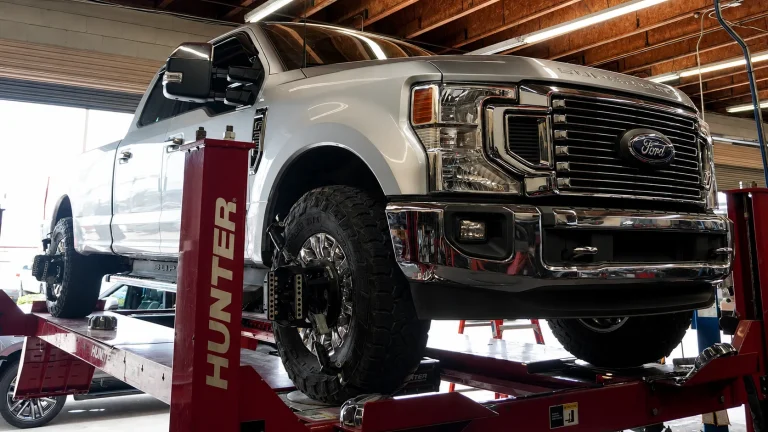
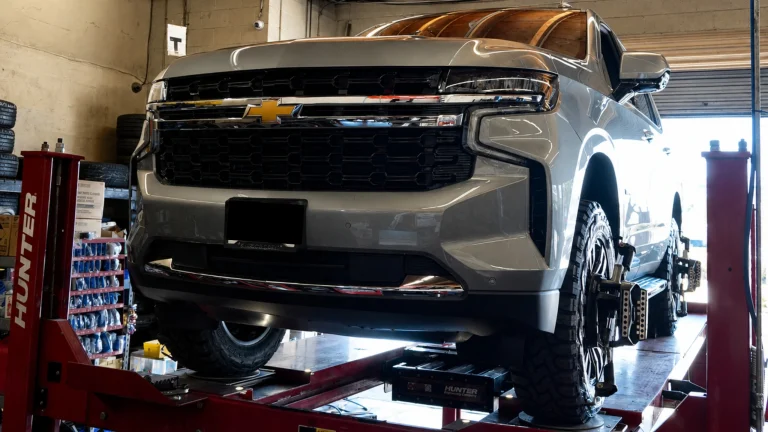
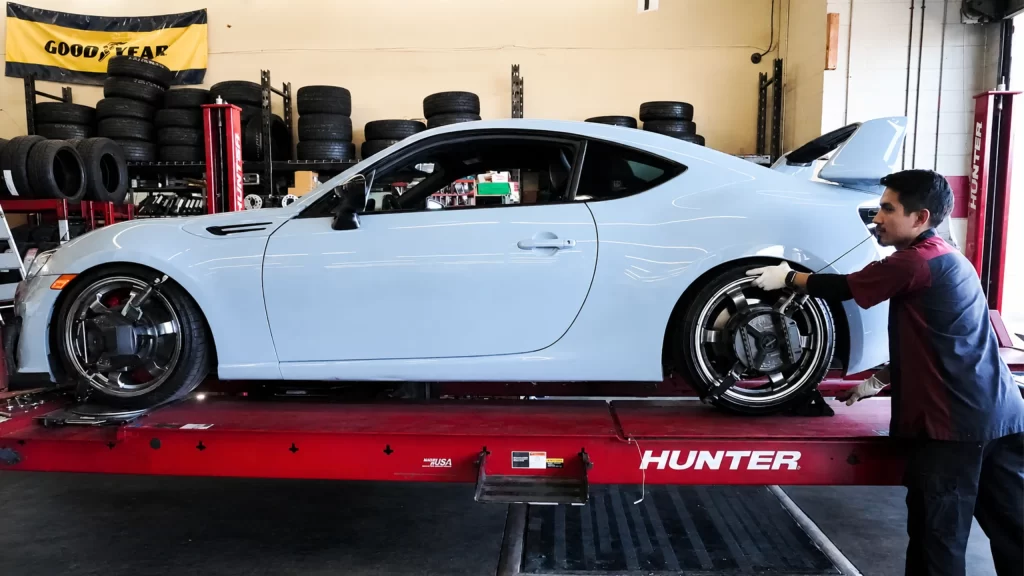
As Bridgestone notes, wheel alignment is actually an adjustment of your vehicle’s suspension the system connecting the car to its wheels not the tires themselves. Technicians performing wheel alignment checks adjust three key suspension angles: Toe (whether tires point inward or outward), Camber (vertical tilt), and Caster (steering axis angle). Together, these determine how your tires meet the road.
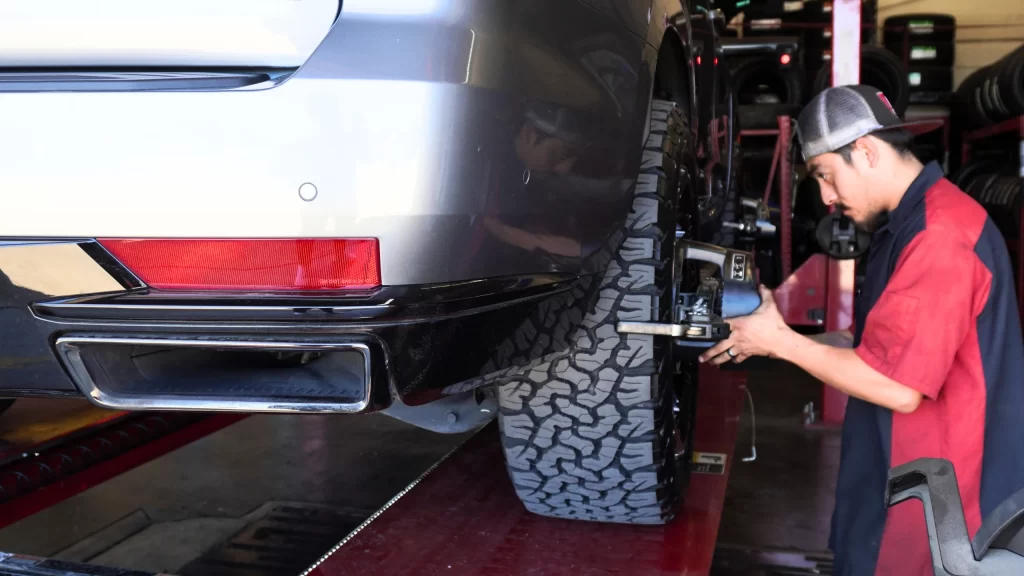
Tire balancing, by contrast, corrects uneven weight distribution within the tire-and-wheel unit itself eliminating vibration when spinning at speed.
Wheel Alignment | Tire Balancing | |
|---|---|---|
Fixes | Suspension angles | Weight imbalance |
Symptoms | Pulling, uneven wear | Vibration, shimmy |
Tools Used | Alignment rack | Balancing machine |
You often need both — but confusing one for the other means the real problem goes unsolved. A balancing job won’t fix a pull, and an alignment won’t stop a shimmy. Proper alignment is about how your car contacts the road, not just how smoothly a tire spins.
Speaking of road contact, even a tiny misalignment creates a surprisingly destructive effect on your tires — and the numbers behind it are genuinely alarming.
The ‘Sideways Scrubbing’ Effect: How 1/8 Inch Destroys Your Tires
Now that you understand what alignment actually adjusts, here’s where the real damage math gets alarming.
One of the most critical alignment settings is toe — the degree to which your tires point inward or outward when viewed from above. Think of it like your feet: stand pigeon-toed or duck-footed, then try to walk in a straight line. Your shoes wear down unevenly and fast. Your tires do exactly the same thing.
Stat Alert: A vehicle just 1/8 inch out of toe alignment is effectively dragging its front tires sideways for 28 feet for every mile driven. That’s not a typo.
Scale that across a typical 12,000-mile year, and you’re looking at roughly 60 miles of lateral scrubbing on your tire surface. That constant sideways friction creates what technicians call feathering — a wear pattern where each tread rib develops a sharp edge on one side and a rounded edge on the other, like the teeth of a worn saw blade.
If you’ve been asking yourself how to know if I need an alignment, feathering gives you a direct, hands-on answer before you ever visit a shop. Run your palm firmly across the tread ribs in both directions — noticeably different textures between passes are a reliable indicator that toe misalignment is already scrubbing your rubber sideways with every mile.
The unsettling part? You can’t reverse feathered tread. Once that rubber is gone, it’s gone — and no alignment correction will restore what’s already been worn away.
Those specific wear patterns and other red flags are exactly what the next section breaks down — six signs your alignment needs immediate attention.
6 Signs You Need a Wheel Alignment Right Now
If you’re wondering how to know if you need a wheel alignment, the answer usually comes from the way your car feels on the road. Pulling, vibration, uneven tread wear, and steering problems are all early indicators that your suspension geometry may already be out of spec.
Knowing how to know if you need an alignment doesn’t require a mechanic’s license. Your car communicates misalignment loudly — if you know what to listen and feel for. Here are six warning signs you shouldn’t ignore.
1. The Car Pulls to One Side
If your vehicle drifts on a straight road, your wheels may no longer be tracking evenly.
This is one of the earliest signs of misalignment.
2. Your Steering Wheel Looks Crooked
When driving straight, your steering wheel should sit centered.
If it tilts left or right, your suspension geometry may be out of spec.
3. Uneven or Feathered Tire Wear
Run your hand across the tread.
If one direction feels smooth and the other feels sharp, your tires may be scrubbing sideways. This is commonly caused by toe misalignment.
You can also learn more about uneven wear patterns in our pillar guide: The Ultimate Guide to Wheels: How to Choose, Maintain, and Match Your Perfect Set.
4. A Vibrating Steering Wheel
Vibration at highway speeds may indicate:
tire imbalance,
worn suspension parts,
or alignment issues.
If balancing did not solve the problem, alignment should be checked next.
5. Squealing Tires on Turns
Tires that squeal during slow turns may be dragging sideways due to improper alignment angles.
This creates unnecessary friction and accelerates tread wear.
6. Worse Fuel Economy
Misaligned tires increase rolling resistance.
Your engine works harder to move the vehicle, which can reduce fuel efficiency over time.
Pro Tip: To check for feathering at home, run your palm firmly across each tire’s tread from inside to outside, then reverse direction. Noticeably different textures between passes suggest toe misalignment and warrant a professional inspection.
What makes these symptoms even more common? The roads you drive every day. Ontario’s driving conditions create unique alignment challenges — and that’s exactly what we’ll cover next.
The Inland Empire Factor: Why Ontario Roads Are Tough on Alignment
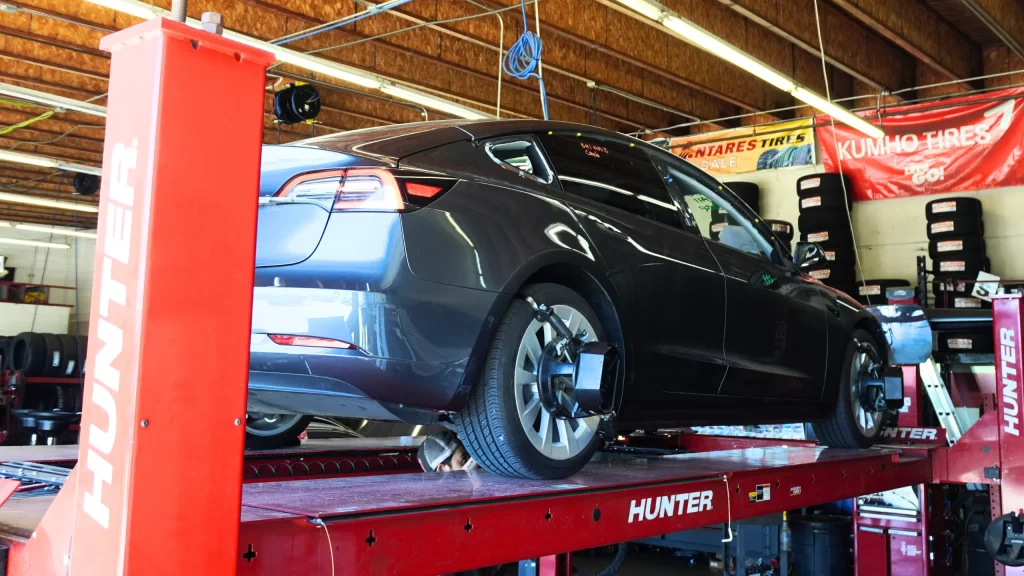
Ontario and the broader Inland Empire aren’t exactly gentle on suspension systems. High-traffic corridors like the 10 and 15 freeways, constant construction zones along major surface streets, and the stop-and-go grind of daily commutes create a perfect storm of alignment-busting conditions.
Tight urban parking — navigating shopping center lots or curbside spots on crowded streets — means frequent low-speed curb contact.
That seemingly harmless tap adds up. As AAA notes, even minor impacts from potholes or curbs can shift wheels out of their correct angle, quietly throwing off your suspension geometry without triggering any dashboard warning.
Local drivers should treat alignment as a seasonal maintenance essential — not an afterthought. Knowing how to know if you need a wheel alignment starts with recognizing that Ontario roads create more exposure to these small, cumulative impacts than smoother suburban environments.
Once misalignment sets in, the tire wear covered in earlier sections accelerates fast — which raises an important question about what ignoring it actually costs you.
Key Takeaways
Misalignment causes uneven tire wear and steering issues
Pulling, vibration, and feathered tread are common warning signs
Alignment problems reduce tire life and fuel economy
Routine inspections help prevent premature tire replacement
Wheel setup and suspension geometry work together for proper handling
For a deeper understanding of wheel fitment, wheel maintenance, and choosing the right setup for your vehicle, read our complete pillar article: The Ultimate Guide to Wheels: How to Choose, Maintain, and Match Your Perfect Set.