Your steering wheel vibrates on the freeway. Your car pulls slightly to one side. Your tires wear out faster than expected.
Most drivers assume these symptoms come from the same problem — but they don’t.
The confusion between wheel alignment and wheel balancing causes many drivers to pay for the wrong service while the real issue keeps damaging tires, suspension components, and fuel economy.
Understanding the difference between tire balancing and alignment can help you avoid premature tire wear and expensive repairs.
The difference between wheel alignment and wheel balancing is simple: wheel alignment adjusts suspension angles so your tires contact the road correctly, while wheel balancing corrects uneven weight distribution inside the tire and wheel assembly.
Alignment fixes pulling and uneven tire wear. Balancing fixes vibration and shaking at highway speeds.
At a Glance: Wheel Alignment vs Wheel Balancing
Feature | Wheel Alignment | Wheel Balancing |
|---|---|---|
Fixes | Suspension geometry | Weight imbalance |
Symptoms | Pulling, uneven wear | Vibration, shaking |
Affects | Tire contact angle | Wheel rotation smoothness |
Common Cause | Potholes, curb impacts | Tire wear, lost wheel weights |
When Needed | After impacts or yearly | Every tire installation |
Main Benefit | Extends tire life | Improves ride comfort |
Inland Empire roads are especially hard on tires and suspension systems. Potholes, summer heat, freeway traffic, and curb impacts can quickly throw off both wheel alignment and balancing.
Ignoring these services doesn’t just affect comfort — it shortens tire life and increases long-term repair costs.
Misalignment problems often start in the suspension system itself. Learn how shocks, struts, camber, caster, and steering components affect tire wear in our complete suspension guide.
Read: The Ultimate Guide to Suspension: From Basics to Performance Upgrades.
Wheel Alignment: Adjusting the Suspension for Precision
Wheel alignment focuses on your vehicle’s suspension geometry. The goal is to ensure each tire meets the road at the correct angle for stable handling and even tread wear.
Even small alignment errors can silently destroy tires long before most drivers notice a problem.
Camber: Tire Tilt
Camber refers to the inward or outward tilt of the tire when viewed from the front of the vehicle.
Too much positive or negative camber causes uneven tread wear along the tire edges, reducing tire lifespan and affecting handling stability.
Camber: Tire Tilt
Camber refers to the inward or outward tilt of the tire when viewed from the front of the vehicle.
Too much positive or negative camber causes uneven tread wear along the tire edges, reducing tire lifespan and affecting handling stability.
Caster: Steering Stability
Caster controls steering stability and straight-line tracking.
When caster angles fall out of specification, drivers often notice wandering steering or reduced control at highway speeds.
Toe: The Biggest Tire Killer
Toe measures whether tires point inward or outward when viewed from above.
Even slight toe misalignment forces tires to scrub sideways across the pavement, accelerating tread wear and increasing rolling resistance.
A toe misalignment of just 0.3 degrees can drag a tire sideways nearly 44 feet for every mile driven, creating rapid and uneven tread wear over time.
Misaligned wheels can also reduce fuel economy because the engine must work harder to overcome rolling resistance from off-angle tires.
Wheel Balancing: Correcting Weight Distribution
Wheel balancing solves a completely different problem: uneven weight distribution inside the wheel and tire assembly.
Even brand-new tires contain slight weight inconsistencies. At highway speeds, these small imbalances create vibration that travels through the steering wheel and suspension.
During a balancing service, technicians use specialized equipment to identify heavy spots around the wheel assembly. Small weights are then added to restore smooth and even rotation.
Proper wheel balancing helps:
Reduce steering wheel vibration
Improve ride comfort
Extend tire life
Protect suspension components
Improve fuel efficiency
No tire leaves the factory perfectly balanced. Small differences in rubber thickness, belt placement, and wheel construction all create minor weight inconsistencies that must be corrected.
Wheel vibration isn’t always caused by tire imbalance alone. Suspension wear can amplify shaking, uneven handling, and premature tire damage.
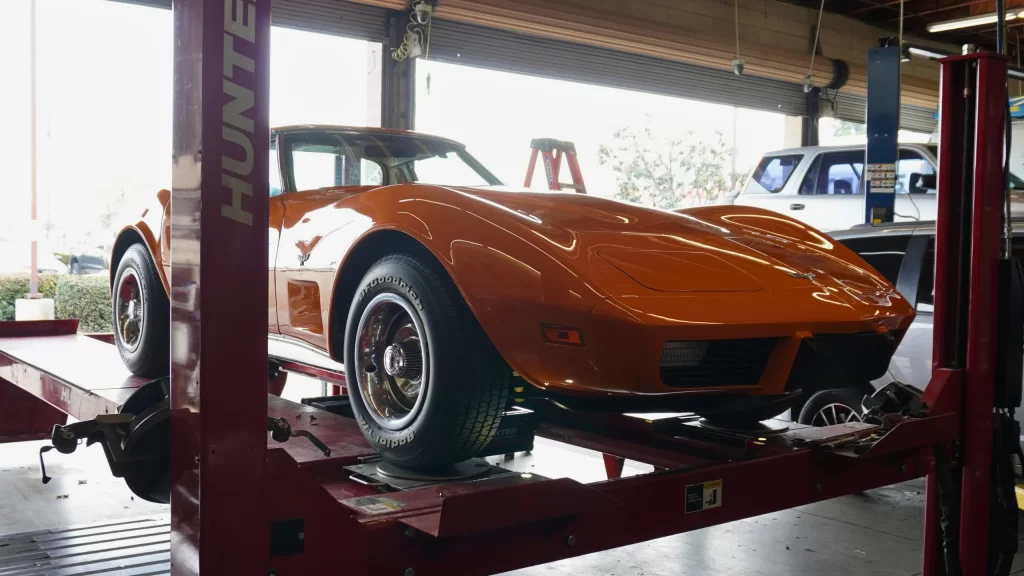
How Do I Know If I Need a Balance or Alignment?
Knowing your symptoms is the fastest way to determine whether your vehicle needs wheel balancing or wheel alignment.
Symptom | Likely Cause | Recommended Service |
|---|---|---|
Steering wheel vibration | Wheel imbalance | Wheel balancing |
Vehicle pulls to one side | Misalignment | Wheel alignment |
Uneven tire wear | Alignment or balance | Inspection recommended |
Shaking at highway speeds | Wheel imbalance | Wheel balancing |
Crooked steering wheel | Misalignment | Wheel alignment |
Steering wheel vibration usually points to wheel imbalance, especially at highway speeds. Vehicle pulling and crooked steering wheels are more commonly linked to alignment problems.
Uneven tire wear can indicate either issue — or both at the same time. Feathering along the tread often points to alignment problems, while cupping or scalloped wear patterns may suggest wheel imbalance.
Ontario roads make these issues even more common. A single pothole or curb impact can throw off both alignment and balancing without triggering obvious symptoms immediately.
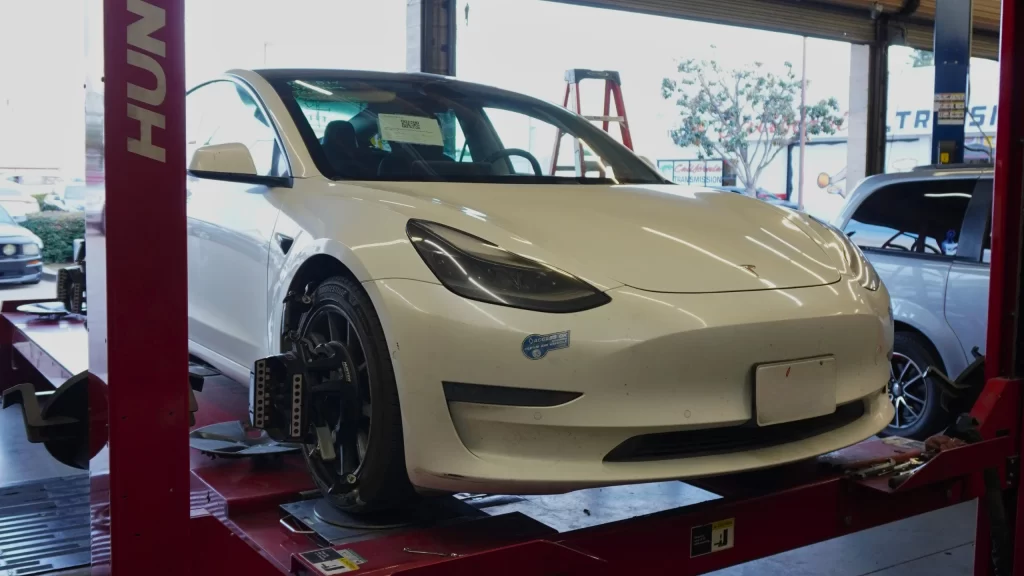
Wheel Alignment vs Wheel Balancing Cost
Wheel balancing typically costs less than a full alignment because it only corrects weight distribution inside the wheel assembly.
Wheel alignment requires specialized equipment to measure and adjust suspension angles precisely. However, both services cost far less than replacing prematurely worn tires or damaged suspension parts.
A simple alignment service today can help drivers avoid spending hundreds on early tire replacement later.
The Comtires Difference: Digital Inspections in Ontario
When drivers aren’t sure whether they need wheel balancing or alignment, digital inspections remove the guesswork.
Comtires provides photo and video evidence of tire wear, suspension angles, and alignment measurements so drivers can clearly see the issue before approving repairs.
All wheel alignment and balancing inspections at Comtires are performed by ASE-certified technicians using digital diagnostic equipment designed to detect tire and suspension issues accurately.
For Ontario drivers dealing with rough roads, heavy traffic, and extreme heat, regular inspections help catch problems early before they become expensive repairs.
Maintenance Schedule: How Often Should You Service Your Wheels?
Staying proactive with wheel maintenance is one of the easiest ways to extend tire life and improve vehicle performance.
General service recommendations include:
Balance checks every 5,000–6,000 miles
Alignment inspections every 12 months or 12,000 miles
Immediate inspections after potholes or curb impacts
Balancing and alignment checks with every new tire installation
Even small suspension or weight distribution problems can quietly shorten tire lifespan over thousands of miles.
Routine wheel alignment and balancing services help protect your tires, suspension system, fuel economy, and overall driving comfort.
Conclusion
Wheel alignment and wheel balancing are not the same service — and confusing them can lead to faster tire wear, poor handling, unnecessary vibration, and expensive repairs.
Alignment corrects suspension angles and tire contact with the road. Balancing corrects uneven weight distribution inside the wheel assembly.
Both services play a critical role in tire life, ride quality, and vehicle safety.
Still not sure whether your car needs wheel balancing or alignment? Schedule a digital inspection with Comtires and get a clear diagnosis backed by real measurements and ASE-certified expertise.
Wheel alignment and balancing problems rarely happen alone. Suspension wear, damaged steering components, and rough Inland Empire roads often contribute to both issues.